

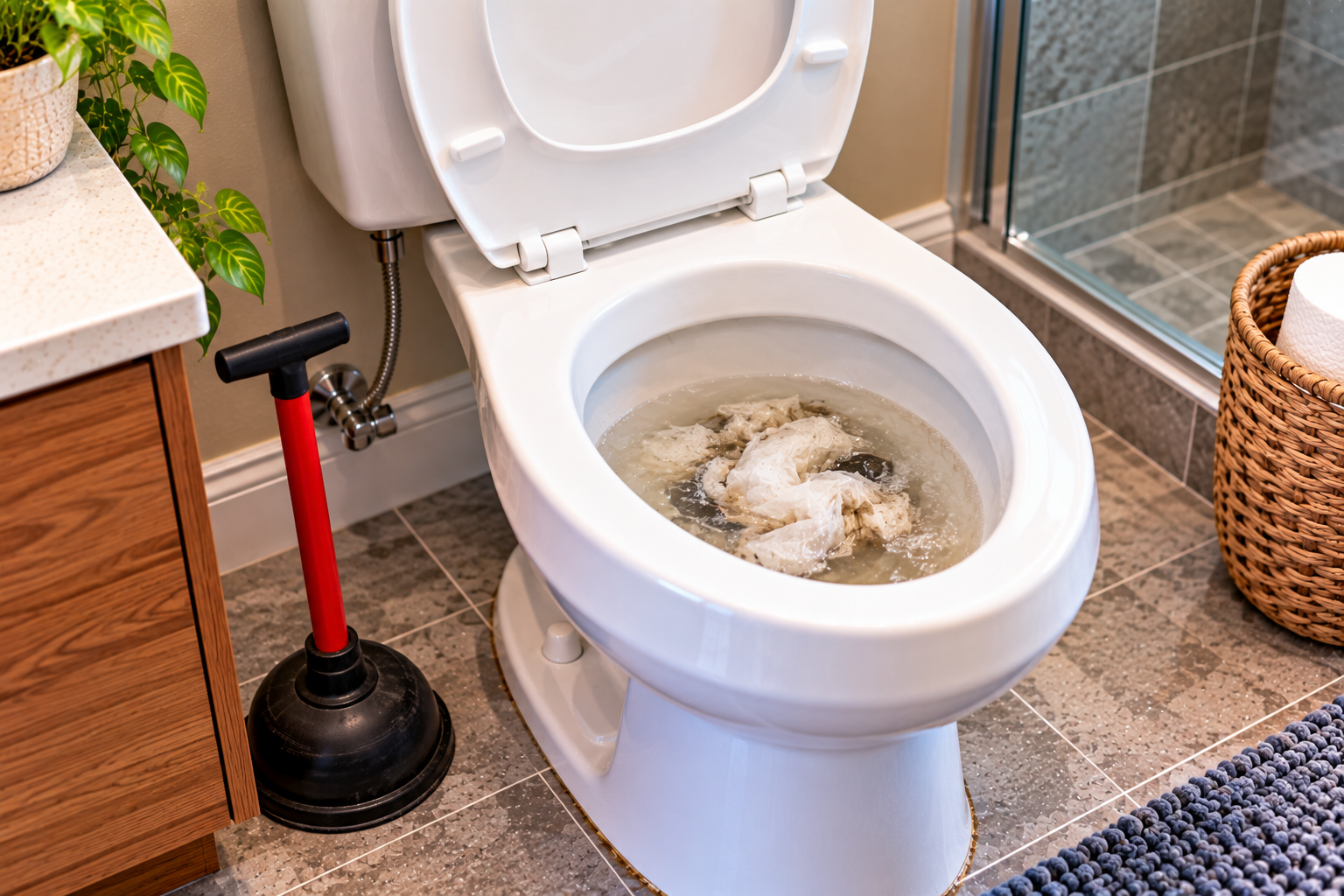
the toilet trap, or the drainage system beyond the bathroom.
Why Does My Toilet Keep Clogging? If you have asked yourself this question after reaching for the plunger yet again, you are probably dealing with more than an occasional bathroom inconvenience. A toilet that repeatedly blocks, drains slowly, or threatens to overflow can interrupt your routine and leave you wondering why the problem keeps returning.
In Southeast Calgary homes throughout Mahogany, Cranston, Auburn Bay, and Copperfield, recurring toilet blockages can have several explanations. Understanding how residential plumbing and drainage systems in Calgary work is a useful starting point because the restriction may be inside the toilet itself or farther along the drainpipe.
Some recurring clogs are caused by excess toilet paper or unsuitable products entering the bowl. Others involve mineral buildup, a partial obstruction, a weak flush, or a drainage problem that requires professional attention. The key is recognizing the pattern instead of treating every blockage as an isolated incident.
A toilet that keeps clogging may have a partial blockage, weak flushing performance, excess toilet paper, trapped objects, or a problem in the drain line. Repeated clogs can also indicate mineral buildup or sewer restrictions. Identifying the cause helps prevent the blockage from returning.
What Are the Main Reasons a Toilet Keeps Clogging?
Toilets rely on a combination of water volume, flushing force, gravity, and a clear drainage path. When one part of that process is restricted, waste may not travel completely through the toilet trap and into the connected drain.
A recurring clog often means that the original obstruction was never fully removed or that the same conditions are repeatedly creating new blockages. The location and cause determine which repair will be effective.
Can Too Much Toilet Paper Cause Repeated Clogs?
Toilet paper is designed to break apart in water, but large quantities can still overwhelm the toilet trap or an already restricted drain. Thick, multi-ply products may take longer to disperse than lighter paper.
In a busy family bathroom in Mahogany, several people using the same toilet throughout the day may contribute to repeated blockages, especially if the toilet has a narrow or partially obstructed passage.
Using a reasonable amount of toilet paper and flushing normally can reduce the chance of accumulation. However, a properly functioning toilet should not require constant plunging after ordinary use.
Which Bathroom Products Should Never Be Flushed?
Many recurring toilet clogs involve products that do not break down like toilet paper. Items marketed as disposable or flushable can still create problems in household drains.
Keep the following out of the toilet:
- Wet wipes, including products labelled flushable.
- Paper towels and facial tissues.
- Sanitary pads, tampons, and other hygiene products.
- Cotton swabs, dental floss, and cotton balls.
- Diapers and cleaning cloths.
- Small toys, packaging, and other solid objects.
These materials may become caught in the toilet trap or accumulate farther down the drainage system. Even when a flush appears successful, the item may create a restriction that catches additional waste later.
Can a Weak Flush Make Toilet Blockages Worse?
Yes. A toilet with insufficient flushing performance may leave waste behind or fail to move it completely through the trap. The next flush can then add more material to the restriction.
Common contributors include an incorrectly adjusted tank water level, a flapper that closes too soon, mineral deposits in flushing passages, or a problem with the toilet’s internal design.
For example, a homeowner in Auburn Bay may notice that the bowl empties slowly and requires a second flush. If this occurs frequently, the toilet should be evaluated for both flushing performance and a possible partial obstruction.
Can Mineral Buildup Restrict a Toilet?
Minerals carried in household water can gradually accumulate around rim openings and internal passages. This may interfere with the distribution of flushing water and reduce the toilet’s effectiveness.
Mineral deposits are not the only cause of weak flushing, and their presence does not prove that a clog exists. A plumber may need to distinguish buildup from a mechanical problem or a restriction in the trap.
Can a Foreign Object Become Trapped Inside the Toilet?
Small objects can lodge in the curved internal passage of a toilet. Water may continue to pass through, making the fixture appear functional, while toilet paper catches on the obstruction during later use.
This creates a frustrating pattern: plunging temporarily restores flow, but another clog appears within days. If a solid object is suspected, repeatedly forcing it farther into the drainage system may make removal more difficult.
Excess paper or a partially restricted toilet trap may be contributing.
Tank components, water level, or internal flushing passages may need attention.
A remaining obstruction or trapped object may not have been removed.
The restriction may be farther along a shared drain or sewer connection.
Calgary homeowners seeking more information about local plumbing services can review the company’s Calgary business location listing or explore its plumbing information video channel.
How Can You Tell Where a Recurring Toilet Clog Is Located?
Identifying the location of a restriction helps determine the appropriate repair. A blockage inside the toilet itself is different from a problem in the bathroom branch drain or the home’s main sewer connection.
You do not need to dismantle the plumbing to recognize useful warning signs. The behaviour of other fixtures, the timing of the clog, and the way water moves can help narrow down the possibilities.
What Are the Signs of a Partial Drain Blockage?
A partial blockage allows some water to pass but slows the movement of waste. The toilet may flush successfully once, then struggle during the next use.
Typical symptoms include water rising higher than usual before draining, a sluggish flush, repeated gurgling, or the need to use a plunger frequently.
In Copperfield, for example, a toilet that clogs every few days while the sink and shower work normally may have a restriction close to the toilet. However, a more distant blockage can sometimes produce similar symptoms.
What Does It Mean If Only One Toilet Clogs?
When one toilet repeatedly blocks and the rest of the home’s plumbing works normally, the problem may be within that toilet or its nearby branch drain.
Possible explanations include a trapped object, a poorly performing flush, or a localized buildup. A professional inspection can determine if the toilet needs clearing, repair, or removal to access the obstruction.
When Could a Clogged Toilet Indicate a Sewer Problem?
A blockage farther along the drainage system may affect several fixtures. Warning signs can include wastewater appearing in a lower drain, multiple toilets draining poorly, or unusual gurgling when other fixtures are used.
If flushing an upstairs toilet causes water to appear in a basement floor drain, stop using affected plumbing fixtures and seek professional assistance. This pattern may indicate a shared drainage restriction.
Possible sewer backup: If wastewater is coming up through a floor drain, shower, or other fixture, avoid running additional water. Keep people and pets away from contaminated areas and arrange a plumbing assessment.
Could a Venting Problem Cause Similar Symptoms?
Drainage systems use vent piping to help maintain appropriate air pressure as wastewater moves. Certain venting problems can contribute to gurgling or poor drainage.
However, gurgling does not automatically mean a vent is blocked. Partial drain obstructions are another common explanation, so the plumbing system should be evaluated before selecting a repair.
Why Does the Toilet Work After Plunging but Clog Again?
A plunger can sometimes move a soft blockage enough to restore flow without removing the entire obstruction. If material remains inside the trap or drain, another clog can develop.
In a New Brighton family bathroom, repeated temporary improvements after plunging may indicate that the same restriction is still present. A more thorough inspection may be needed instead of continuing the same short-term approach.
Homeowners interested in general service demonstrations can also watch a related plumbing service video. Online videos can provide useful context, but they cannot establish the cause of a particular drain blockage.
Why Is the Toilet Clogging More Often Than Before?
A change in performance is an important clue. A toilet that previously worked well but now clogs frequently may have developed a new obstruction, a failing tank component, or a drainage restriction.
If the problem began after a bathroom renovation, also consider installation-related changes. A toilet that was moved or reinstalled should be assessed for proper alignment and secure seating.
Our related guide explains why a toilet may rock or shift at its base. Although rocking does not directly cause every clog, an unstable or improperly installed toilet can signal other issues that deserve inspection.
Request a recurring toilet clog repair estimate in Calgary in just a few clicks.
Get My Free Estimate
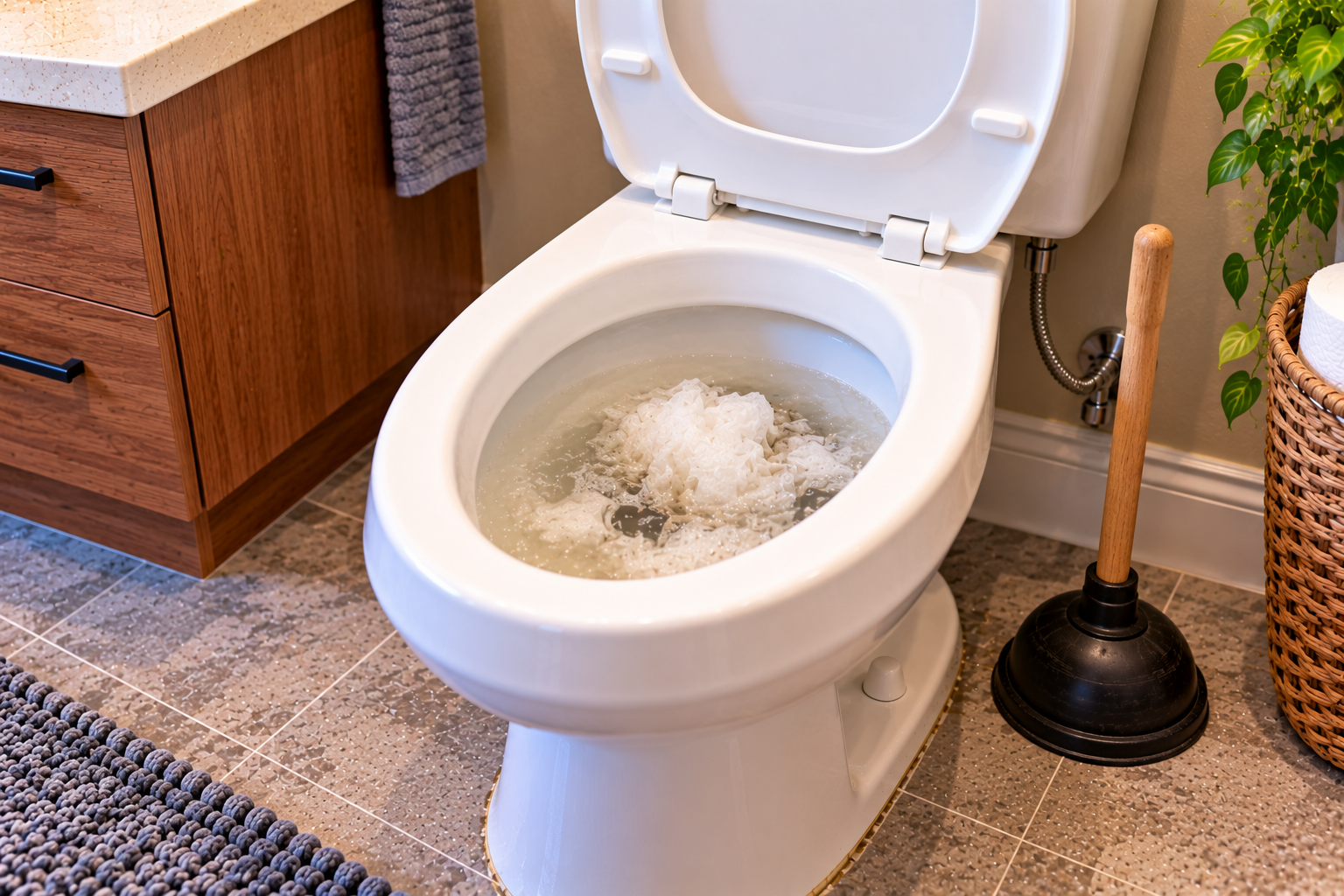
to restore normal drainage.
How Do Plumbers Fix Toilets That Keep Clogging?
Professional toilet clog repair begins with identifying the location and likely cause of the restriction. The right solution may involve clearing the toilet trap, adjusting flushing components, inspecting a drainpipe, or addressing a more extensive sewer issue.
Using an appropriate method matters because aggressive clearing techniques can damage fixtures or push an object farther into the drainage system.
When Is a Toilet Auger or Drain Inspection Needed?
A toilet auger is a specialized tool designed to reach through the toilet’s internal trap. It can help remove or break apart certain obstructions that a plunger cannot clear.
Not every blockage is suitable for the same tool. If a solid object is lodged inside the toilet, the plumber may need to remove the fixture to retrieve it safely.
Where symptoms suggest a restriction farther down the line, additional drain-clearing equipment or a camera inspection may be appropriate.
How Does a Drain Camera Inspection Help?
A plumbing camera can provide a view inside accessible drainpipes. It may help identify recurring buildup, displaced joints, damaged piping, or an obstruction that has not been fully removed.
Camera inspection is particularly useful when a toilet repeatedly clogs despite previous clearing attempts, or when several fixtures are affected.
For a homeowner in Douglasdale, a camera assessment may help distinguish a local bathroom restriction from a problem in a longer drainage run.
Can Toilet Tank Repairs Improve Flushing?
Yes. If the toilet is not releasing enough water or the flush cycle ends too quickly, repairing or adjusting internal tank components may improve performance.
A plumber may check the fill valve, flapper, water level, and flush mechanism. The goal is to restore the flushing operation intended for that toilet model.
Increasing the water level beyond the manufacturer’s intended setting is not a substitute for proper repair and may create other problems.
What If Mineral Deposits Are Affecting the Flush?
Mineral deposits around flushing openings can interfere with water distribution. Depending on the fixture’s condition, appropriate cleaning or maintenance may help restore performance.
If the internal passages are severely restricted or the toilet is old and inefficient, replacement may be considered after evaluating the cost and practicality of repair.
When Is Sewer Line Cleaning Necessary?
When multiple fixtures are affected, the problem may be located in a shared drain or sewer line. The plumber may need to access an appropriate cleanout and use equipment suited to the pipe and obstruction.
Possible causes include accumulated debris, intrusive roots, damaged piping, or other restrictions. The correct method depends on the drain material and its condition.
Some homeowners also follow regional water and infrastructure discussions. For example, this Airdrie water bylaw news report provides municipal water-policy context, although it is not a guide to diagnosing toilet clogs or Calgary plumbing requirements.
How Much Does Recurring Toilet Clog Repair Cost in Calgary?
The cost of resolving recurring toilet clogs depends on the location of the blockage, the equipment required, and the condition of the plumbing system.
A simple localized clog is generally less involved than a sewer restriction requiring extensive investigation. The following are illustrative Canadian-dollar planning ranges, not verified Calgary quotes or guaranteed company prices.
| Potential Service | Illustrative CAD Range | Main Cost Factors |
|---|---|---|
| Basic toilet clog assessment and clearing | $120–$250 | Accessibility, severity, service minimum |
| Toilet auger clearing or localized obstruction removal | $150–$350 | Obstruction type, labour, toilet condition |
| Drain camera inspection | $200–$450 | Access, inspection scope, equipment |
| More extensive drain or sewer clearing | $300–$800+ | Line length, access, blockage type, pipe condition |
| Toilet replacement or pipe repair | Quoted after assessment | Fixture selection, materials, extent of work |
These ranges are general budgeting illustrations only. Actual costs may fall outside them. Request a written, job-specific estimate after the plumbing issue has been assessed.
Is a recurring toilet clog always expensive to repair? No. Some recurring clogs are caused by a removable obstruction or a flushing component that can be adjusted or replaced. More extensive costs usually arise when the problem involves damaged piping, difficult access, or a restriction farther along the drainage system.
Why Chemical Drain Cleaners Are Not a Good Default Solution
Many chemical drain cleaners are not intended for toilets and may damage components or create hazards for anyone who later works on the fixture. Mixing drain chemicals can also be dangerous.
When a toilet keeps clogging, identifying the obstruction is more useful than repeatedly adding products that may not reach or remove it.
For additional company information, homeowners can visit the Calgary Electrical and Plumbing Facebook page and review general service updates.
How Can You Prevent Your Toilet From Clogging Again?
Preventing recurring clogs involves good flushing habits, appropriate maintenance, and timely repairs when the toilet begins showing signs of reduced performance.
Not every blockage is preventable through household habits alone. A damaged drainpipe or trapped object may continue causing problems until the underlying issue is corrected.
Flush Only Toilet Paper and Human Waste
The simplest preventive measure is keeping unsuitable materials out of the toilet. Provide a bathroom waste bin so wipes, hygiene products, tissues, and other items are disposed of properly.
Even products labelled flushable can create difficulties in residential drainage systems. Treating the toilet as a waste bin increases the likelihood of recurring restrictions.
Use Toilet Paper in Reasonable Amounts
Large quantities of paper can contribute to blockages, particularly in a toilet with reduced flushing performance. Encourage household members to avoid excessive paper use.
If a toilet frequently clogs during normal use, do not assume the household is solely responsible. A persistent problem deserves inspection.
Pay Attention to Changes in Flushing Performance
Slow drainage, incomplete flushing, or unusual water movement may be early indicators of a developing restriction. Addressing these symptoms before a complete blockage can help reduce disruption.
For example, a homeowner in McKenzie Towne might notice that a toilet requires repeated flushing over several weeks. Investigating the issue early may reveal a tank problem or localized obstruction before the toilet stops draining altogether.
Maintain Toilet Tank Components
Tank components affect the amount and timing of water released during a flush. Worn flappers, faulty fill valves, or incorrect settings can reduce performance.
Routine observation can help identify changes, but replacement parts should be suitable for the toilet model. A plumber can assess the mechanism if flushing remains weak.
Do Not Ignore Repeated Plunging
A plunger can be useful for a straightforward soft blockage, but it should not become part of the normal bathroom routine.
If the same toilet clogs repeatedly, continuing to plunge may provide only temporary relief. A more complete assessment can determine if the obstruction remains in the trap or drain.
Recognize Problems Beyond the Toilet
Several slow drains, wastewater appearing in another fixture, or unusual gurgling throughout the home may indicate a larger drainage issue.
In a Riverbend home with a basement bathroom, for example, a toilet clog accompanied by wastewater rising in a floor drain should be treated differently from a single localized blockage.
Simple prevention checklist: Keep wipes and hygiene products out of toilets, avoid excessive paper, maintain proper flushing performance, and arrange an inspection when clogs return. These habits help reduce common blockages but cannot correct a damaged pipe or persistent hidden obstruction.
When Should You Call a Calgary Plumber?
Professional help is appropriate when a toilet clogs repeatedly, plunging provides only temporary improvement, or the fixture drains poorly despite normal use.
More urgent attention is needed when wastewater backs up into another fixture, the toilet threatens to overflow, or multiple drains are affected.
Calgary homeowners can consult an additional business information reference, follow Calgary Electrical and Plumbing service updates on X, or review the company’s additional local map listing.
Finding the actual cause is the most effective way to prevent a recurring clog from becoming an ongoing household problem.
Request a recurring toilet clog repair estimate in Calgary in just a few clicks.
Get My Free Estimate
Stop Recurring Toilet Clogs at the Source
A toilet that keeps clogging is often a sign of an unresolved restriction or flushing problem. Excess paper, unsuitable items, trapped objects, weak flushing, and drainpipe issues can all contribute. Understanding the symptoms helps identify the repair that is most likely to restore normal use.
If the blockage keeps returning, speak with a local calgary plumber about inspecting the toilet and drainage connection. Call Calgary Electrical and Plumbing at (403) 421-1991 to discuss your concerns and arrange assistance.
Frequently Asked Questions about Recurring Toilet Clogs
Why does my toilet clog every few days?
A toilet that clogs every few days may have a partial obstruction, a trapped object, or weak flushing performance. Plunging can temporarily restore drainage without removing the cause. A Calgary plumber can inspect the toilet and nearby drain to determine why the blockage keeps returning.
Can a toilet keep clogging even when nothing unusual is flushed?
Yes. Normal toilet paper and waste can still cause problems if the toilet has a restricted trap, insufficient flushing water, mineral buildup, or a partially blocked drain. Repeated clogs during ordinary use suggest that the fixture or drainage system needs further assessment.
Why does my toilet clog but the other drains work normally?
If other fixtures drain normally, the restriction may be inside the toilet or its nearby branch drain. Possible causes include a trapped object, localized buildup, or poor flushing performance. A plumber can investigate the affected fixture before considering a larger sewer problem.
Should I use chemical drain cleaner for a frequently clogged toilet?
Chemical drain cleaners are generally not a good default choice for toilets. Some products can damage components or create hazards during later repairs. Repeated clogging is better addressed by identifying the obstruction and using an appropriate clearing method suited to the fixture and drain.
When is a recurring toilet clog an emergency in Calgary?
Seek urgent plumbing assistance if wastewater backs up into a shower or floor drain, several fixtures stop draining, or the toilet is overflowing. Stop using affected plumbing fixtures to limit further backup. A professional assessment can identify the restriction and determine the appropriate repair.
Don’t wait for the problem to get worse.
Call (403) 421-1991 Now
Local Help Available 24/7 in Calgary
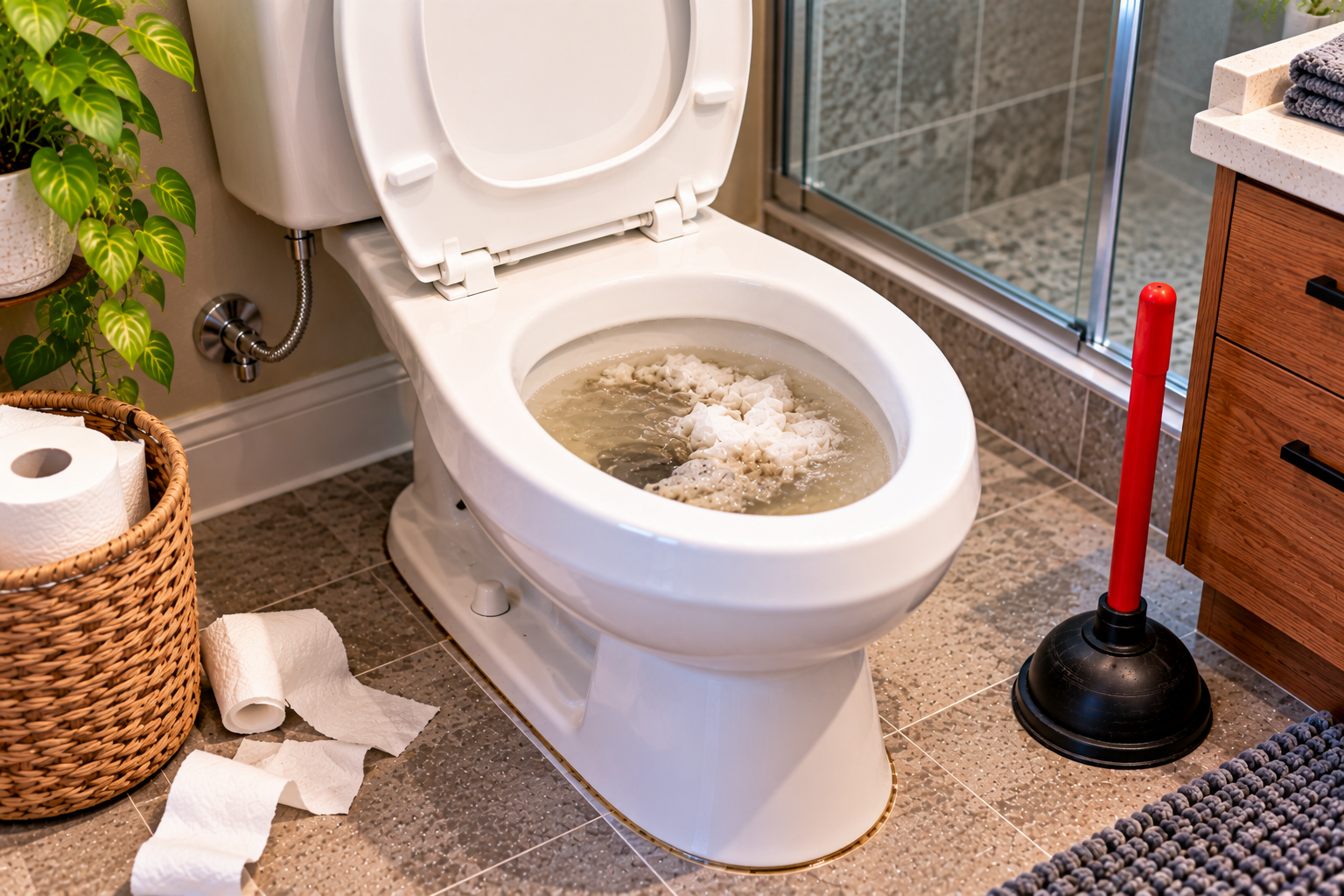
functioning flush