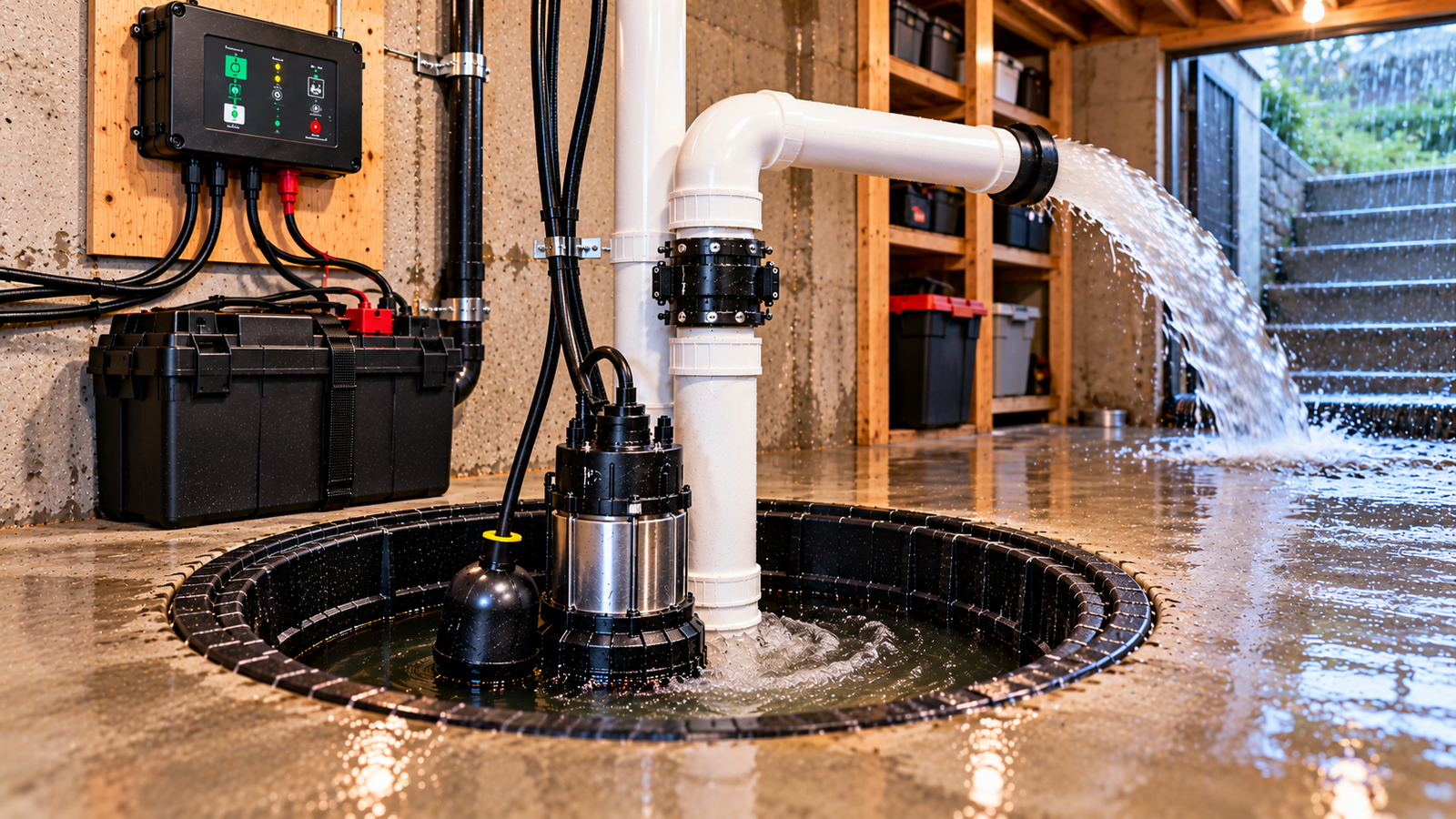

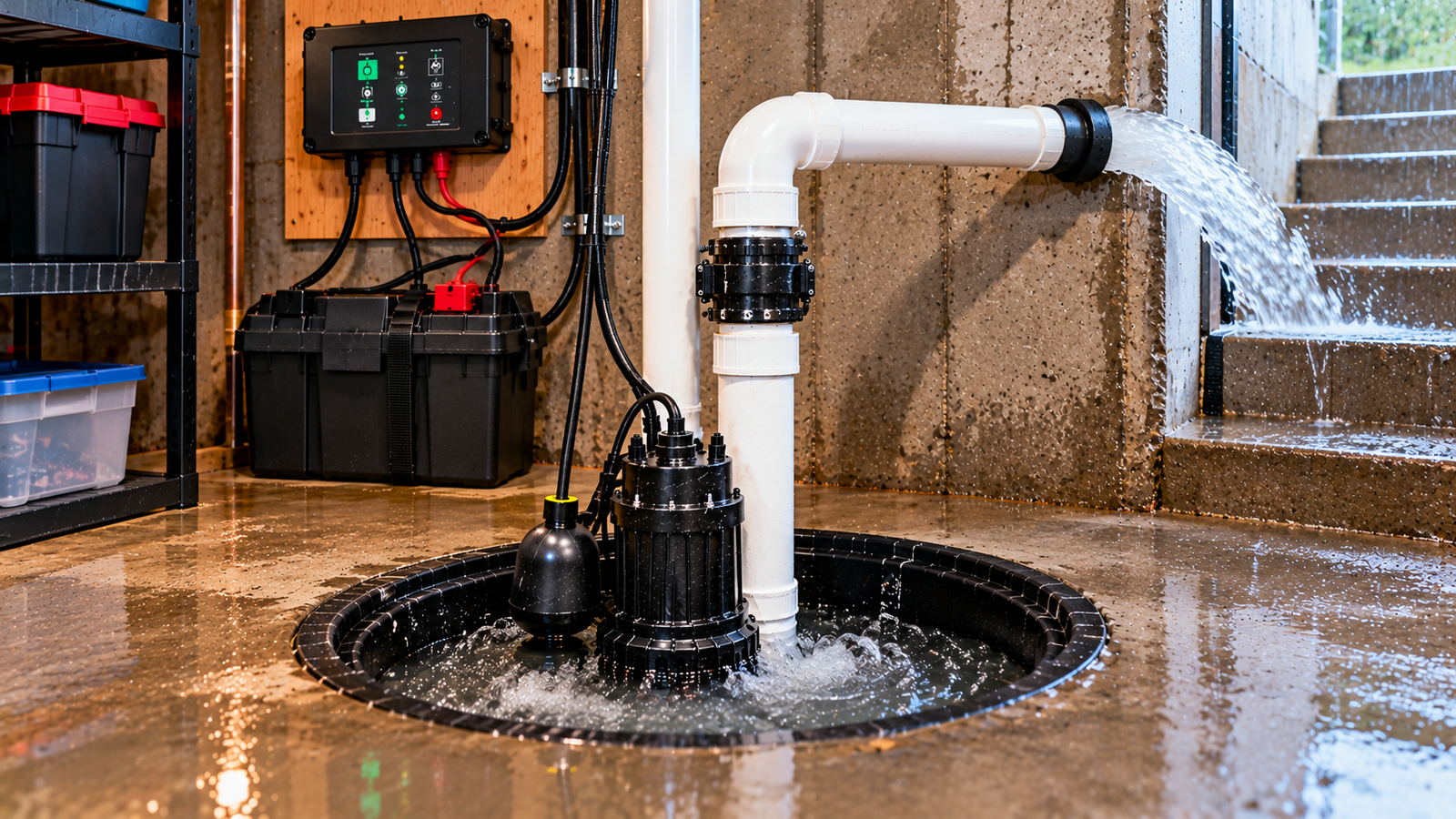
Why does your sump pump suddenly run nonstop after a Calgary rainstorm? Common Sump Pump Problems After Heavy Rain include continuous operation, unusual noises, blocked discharge pipes, and rising water levels. These issues often become noticeable when the drainage system is working harder than usual.
Homes in Mahogany, Auburn Bay, Cranston, Seton, and other Southeast Calgary communities can experience changing drainage demands during prolonged rainfall. Understanding how your system should operate helps you recognize when professional sump pump repair and plumbing services in Calgary may be necessary.
Some changes are normal when groundwater increases, while others indicate mechanical failure, electrical trouble, or drainage restrictions. Recognizing the difference can help protect your basement, prevent unnecessary equipment replacement, and identify problems before water reaches the floor.
Common sump pump problems after heavy rain include continuous running, short cycling, stuck float switches, clogged intakes, blocked discharge pipes, check valve failures, and insufficient pumping capacity. If water keeps rising while the pump operates, the system may require immediate professional inspection to reduce basement flooding risk.
Why Do Sump Pump Problems Become Noticeable After Heavy Rain?
Heavy rainfall can increase the amount of water moving through soil and foundation drainage systems. Where a home relies on a sump pump, additional water may enter the sump pit and cause the pump to operate more frequently.
A system that appears reliable during dry weather may struggle when drainage demand increases. Heavy rain does not necessarily cause the original defect; it often exposes an existing weakness.
How Does Heavy Rain Affect Basement Drainage?
Rainwater can soak into surrounding soil, move toward foundation drainage systems, and eventually collect in a sump pit.
The amount reaching the pit depends on soil conditions, grading, foundation construction, and drainage design.
For general background on precipitation, see this overview of rain and how it forms.
Why Can Water Enter the Sump Pit Faster During Storms?
Prolonged rainfall can increase the volume of water moving through surrounding ground and drainage systems.
If the incoming flow approaches the pump’s capacity, the motor may run longer than usual.
Whether that is a problem depends on how effectively the water level is controlled.
Why Does My Sump Pump Run Continuously After Rain?
A sump pump may run for extended periods when water continues entering the pit.
This can be normal during unusually high drainage demand, provided the pump removes water effectively and the level remains controlled.
Continuous operation becomes concerning when the water level does not fall or the pump keeps running after the pit has emptied.
Can a Sump Pump Run Too Long?
Some pumps are designed for demanding operation, but prolonged running can increase wear, particularly when equipment is aging or operating outside its intended conditions.
Persistent operation may indicate high inflow, restricted discharge, incorrect sizing, or control problems.
Understanding the cause is more useful than assuming every long cycle means the pump is defective.
Why Does the Pump Keep Starting and Stopping?
Repeated short cycles may occur when the sump pit has limited storage, the float switch is poorly adjusted, or discharged water returns through a faulty check valve.
High water inflow can also increase cycling frequency.
Frequent starts deserve attention because they may contribute to motor and switch wear.
Does Calgary’s Spring Thaw Create Similar Problems?
Yes. Melting snow can increase drainage demand, particularly when substantial water moves toward a foundation.
Heavy rain during thaw periods may add to the volume entering some drainage systems.
Homes that experience seasonal sump pump activity should have their equipment checked before predictable high-demand periods.
Can Exterior Drainage Conditions Make Problems Worse?
Improper grading, blocked downspouts, and unsuitable surface drainage can contribute to unwanted water accumulation near a foundation.
However, not every sump pump problem originates outside the home.
Mechanical and electrical issues must also be considered.
Calgary example: A homeowner in Mahogany notices that the sump pump runs much longer after a sustained rainstorm. The pit receives water rapidly, but the pump continues lowering the level. The longer cycle may reflect increased drainage demand rather than immediate equipment failure.
When Does Normal Operation Become a Warning Sign?
Pay attention when the pump cannot lower the water level, makes unfamiliar noises, repeatedly trips a breaker, or continues operating after the pit is nearly empty.
Water reaching the basement floor is an urgent warning.
These symptoms require more than routine observation.
Key point: Heavy rain increases drainage demand and can reveal problems that remain hidden during dry weather. Longer pumping cycles are not always abnormal, but rising water, repeated electrical faults, and ineffective pumping indicate that the system needs attention.
Homeowners looking for local service information can visit the Calgary Electrical and Plumbing Google Maps listing.
What Are the Most Common Sump Pump Failures During Heavy Rain?
When a sump pump stops performing properly during a storm, the cause may involve the pump motor, float switch, discharge piping, check valve, electrical supply, or accumulated debris.
Identifying the affected component helps determine whether cleaning, adjustment, repair, or replacement is appropriate.
How Can a Faulty Float Switch Cause Sump Pump Problems?
The float switch controls when the sump pump starts and stops.
If the float becomes stuck, damaged, or obstructed, the pump may fail to activate when water rises.
A switch stuck in the opposite position may cause the pump to continue running after the water level falls.
Can Debris Prevent the Float From Moving?
Yes. Sediment, loose objects, and contact with the sump pit wall can interfere with float movement.
Some float designs require more clearance than others.
The switch must move freely within the manufacturer’s recommended operating range.
Can a Blocked Discharge Pipe Cause Basement Flooding?
Yes. The discharge pipe carries pumped water away from the sump pit.
If debris, ice, or another restriction blocks the line, the pump may run without removing enough water.
The pit can continue filling even though the motor is operating.
Why Is a Blocked Discharge Especially Dangerous During Rain?
Heavy rainfall may increase incoming water while the obstruction prevents normal removal.
That combination can cause the water level to rise rapidly.
Continuing to operate against a serious restriction may also place additional stress on the equipment.
What Happens When a Check Valve Fails?
A check valve helps prevent water in the discharge pipe from flowing backward into the sump pit after the pump stops.
If the valve fails, discharged water may return to the pit and trigger another cycle.
This can create repeated starts and unnecessary wear.
Can a Clogged Pump Intake Reduce Performance?
Yes. Sediment and debris can restrict water entering the pump or interfere with the impeller.
The motor may run while the discharge flow becomes weak or inconsistent.
Cleaning should follow manufacturer instructions, with power safely disconnected and the equipment kept away from standing-water electrical hazards.
Why Does a Sump Pump Make Grinding or Rattling Noises?
Grinding, rattling, or unusual vibration may indicate debris, worn bearings, loose components, or impeller damage.
Some sounds are normal during startup and shutdown, but new or worsening mechanical noises should not be ignored.
Continued operation with a damaged component can lead to additional failure.
Can Power Outages Stop a Sump Pump During Heavy Rain?
Yes. Most standard residential sump pumps depend on household electricity.
When power is interrupted, the primary pump stops unless an appropriate backup power arrangement is available.
If water continues entering the pit, the level may rise until pumping resumes.
What if the Pump Trips a Circuit Breaker?
A breaker may trip because of an electrical fault, motor problem, or other condition affecting the circuit.
Repeatedly resetting a breaker without identifying the cause can be dangerous.
Electrical problems should be assessed by a qualified professional.
Can a Sump Pump Be Too Small for Heavy Rain?
Yes. A pump with insufficient capacity may struggle to keep up with increased inflow.
However, low pumping performance can also result from discharge restrictions or mechanical problems.
Our related article explains how to choose the correct sump pump size for your basement.
Safety warning: Never touch sump pump wiring, plugs, chargers, or electrical equipment while standing in water. Do not bypass safety controls or repeatedly reset a tripping breaker. If electrical equipment is wet or submerged, keep clear and arrange qualified assistance.
Local scenario: A homeowner in Auburn Bay hears the sump pump start every few minutes after heavy rain. Inspection reveals water returning through a defective check valve. Correcting the valve problem may restore normal cycling without replacing the entire pump.
Most common causes: Float switch faults, discharge restrictions, check valve failure, debris accumulation, power interruptions, and inadequate pumping capacity can all affect sump pump operation during heavy rainfall. Accurate diagnosis is essential because similar symptoms may have different causes.
Additional location information is available through this Calgary plumbing service map reference.
Request a sump pump inspection and repair estimate in Calgary in just a few clicks.
Get My Free Estimate
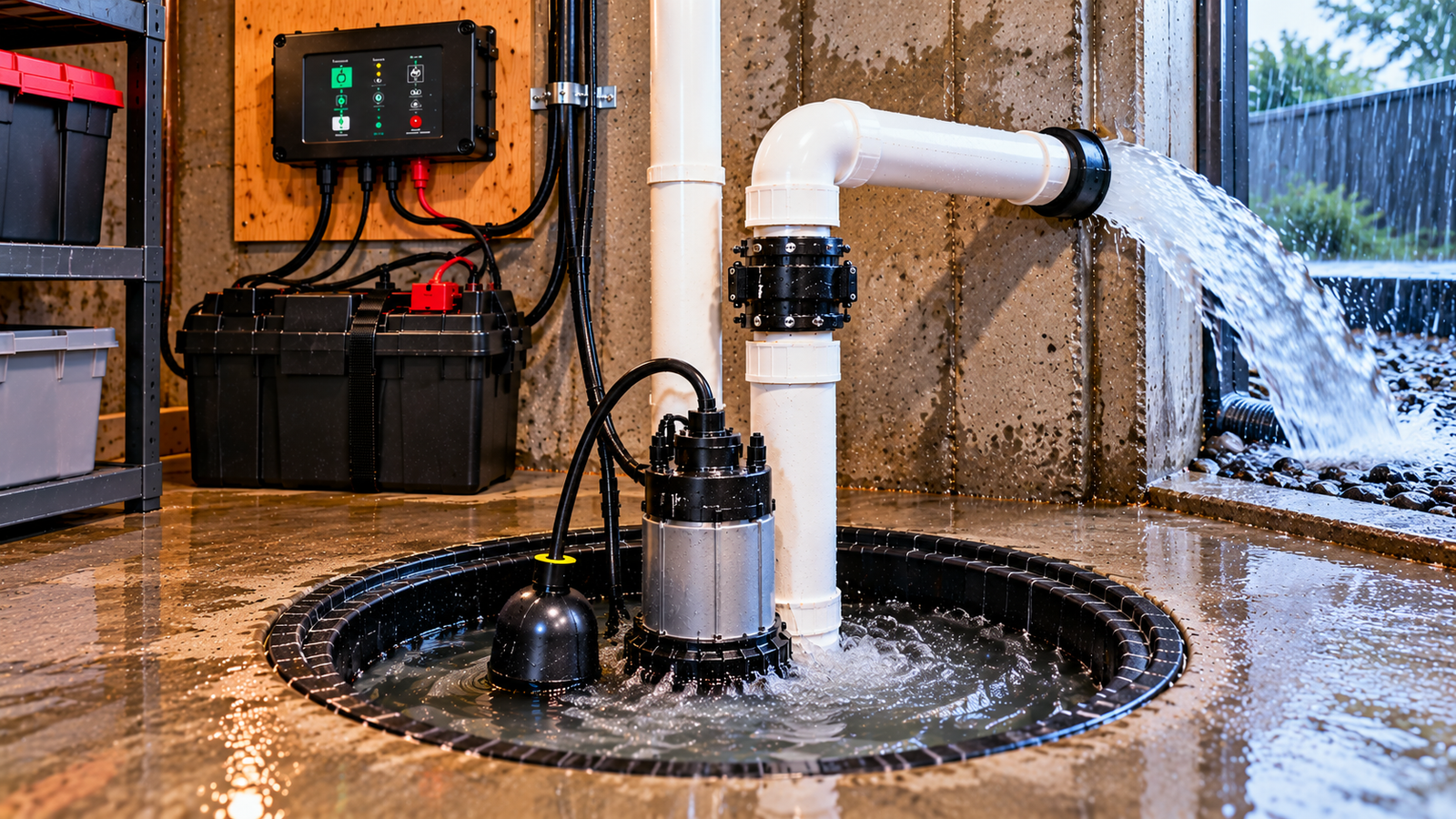
How Can Calgary Homeowners Identify Dangerous Sump Pump Warning Signs?
Some sump pump symptoms require immediate attention, while others allow time for routine maintenance.
The most important distinction is whether the system continues removing water safely and effectively.
What Does It Mean When Water Keeps Rising?
If the water level rises while the pump runs, the system may not be removing water fast enough.
Possible causes include inadequate capacity, a blocked discharge pipe, a damaged impeller, or another mechanical problem.
Rising water near the top of the pit indicates increasing overflow risk.
Is It Normal for a Sump Pump to Run After Rain Stops?
Yes, in some circumstances. Water can continue moving through surrounding soil and foundation drainage systems after rainfall ends.
The pump may therefore remain active while drainage conditions gradually return to normal.
However, unusually long operation combined with poor water removal should be investigated.
What Does Humming Without Pumping Indicate?
A humming motor with little or no discharge may indicate a jammed impeller, motor trouble, or a discharge restriction.
It can also signal a problem with the pump’s starting components.
Do not continue forcing the motor to operate when it appears stalled.
Should You Worry About a Burning Smell?
Yes. A burning smell may indicate overheating, electrical damage, or a failing motor.
Stop using the affected equipment if it is safe to do so without entering water or touching hazardous electrical components.
Arrange professional assessment before restarting the system.
Can Sump Pump Problems Cause Water Around the Pit?
Yes. Overflow, leaking discharge connections, or water returning through the system can cause moisture around the sump pit.
However, water near the pit may also originate from unrelated plumbing leaks or foundation seepage.
Identifying the source is necessary before selecting repairs.
What if the Pump Makes Loud Banging Sounds?
A banging sound near shutdown may relate to water movement or check valve operation.
Other loud noises may indicate vibration, loose piping, or mechanical damage.
New or increasingly severe sounds deserve inspection, especially when accompanied by reduced pumping performance.
Sump Pump Problems, Possible Causes, and Recommended Actions
| Warning Sign | Possible Cause | Recommended Response |
|---|---|---|
| Pump runs continuously | High inflow, stuck float, or inadequate capacity | Check whether the water level is falling; arrange inspection if not |
| Pump starts every few minutes | Check valve failure, float settings, or small pit volume | Have cycling behaviour and discharge components assessed |
| Motor hums without pumping | Impeller obstruction, motor fault, or blocked discharge | Avoid continued operation and request professional diagnosis |
| Water rises toward the pit opening | Pump failure, inadequate flow, or discharge restriction | Treat as an urgent flooding risk and seek assistance |
| Breaker repeatedly trips | Electrical fault or motor problem | Do not repeatedly reset; arrange qualified electrical assessment |
| Grinding or rattling noise | Debris, worn components, or impeller damage | Arrange inspection before further damage develops |
| Water returns after shutdown | Check valve or discharge arrangement problem | Inspect the check valve and discharge configuration |
Can You Check the Pump Without Taking It Apart?
Homeowners can sometimes observe the water level, listen for unusual sounds, and look for visible discharge problems from a safe, dry location.
However, internal inspection, electrical testing, and mechanical repairs should follow manufacturer procedures and appropriate safety precautions.
Never reach into an energized sump pit.
What Should You Do if the Basement Is Already Flooding?
Keep people away from standing water near electrical outlets, appliances, and equipment.
Do not enter flooded areas when electrical hazards may be present.
Arrange qualified assistance to address the pumping failure and determine safe next steps.
Can Floodwater Damage Other Basement Equipment?
Yes. Water may affect electrical panels, outlets, furnaces, water heaters, stored belongings, flooring, and building materials.
Even shallow flooding can create safety and restoration concerns.
Electrical equipment exposed to water should be evaluated before being returned to service.
Does a Working Pump Guarantee a Dry Basement?
No. A sump pump manages water collected by the drainage system connected to its pit.
It cannot necessarily prevent water entering through windows, plumbing failures, sewer backups, or other unrelated pathways.
Basement protection may require several different drainage and maintenance measures.
Calgary example: After heavy rain in McKenzie Towne, a homeowner notices water approaching the top of the sump pit while the motor hums. This is more serious than ordinary extended pumping because the system is not removing water effectively. Professional assessment is warranted.
Urgent warning signs: Rising water despite pump operation, repeated breaker trips, burning smells, stalled motors, and water reaching electrical equipment require immediate caution. Avoid unsafe troubleshooting and seek qualified help before further damage occurs.
For company updates and local service information, visit the Calgary Electrical and Plumbing shared Google business profile.
How Can You Prevent Sump Pump Problems During Future Rainstorms?
Preventive maintenance can help identify developing sump pump problems before heavy rainfall places additional demand on the system.
A reliable approach includes checking the pump, controls, discharge arrangement, and surrounding drainage conditions.
How Often Should You Test Your Sump Pump?
Follow the manufacturer’s testing and maintenance recommendations.
Testing before spring thaw and periods of expected heavy rainfall can help identify obvious operating problems.
Any test should be performed safely and according to the equipment instructions.
Why Should the Sump Pit Be Kept Clean?
Sediment and debris may interfere with pump intake openings, float movement, or impeller operation.
Routine inspection can identify visible accumulation.
Cleaning must be performed with the equipment safely isolated from electrical power and in accordance with manufacturer guidance.
Should You Inspect the Discharge Outlet?
Yes. The outlet should remain clear and arranged to discharge water in an appropriate location.
Visible debris, damaged piping, or water collecting near the foundation may indicate a problem.
Discharge changes should comply with applicable local requirements.
Can Exterior Drainage Improvements Help?
Appropriate grading and roof drainage can help direct surface water away from the foundation.
However, exterior improvements may not eliminate groundwater entering an existing foundation drainage system.
Both surface drainage and mechanical pumping may need attention.
Is a Battery Backup Sump Pump Worth Considering?
A battery backup can provide temporary pumping during certain power interruptions or primary pump failures.
Its effectiveness depends on battery condition, pumping capacity, discharge arrangements, and available runtime.
It provides additional protection but does not guarantee flood prevention.
Can a High-Water Alarm Help?
Yes. A high-water alarm can alert occupants when the sump pit reaches an abnormal level.
Some systems also support remote notifications.
Alarms improve awareness but do not replace functioning pumping equipment or appropriate maintenance.
Should You Replace an Aging Pump Before It Fails?
Replacement may be appropriate when a pump has recurring faults, significant wear, or unreliable performance.
However, equipment age alone does not establish that replacement is necessary.
Inspection can help determine whether repair or replacement is more reasonable.
What Should Be Included in a Pre-Storm Inspection?
- Confirm that the pump activates and stops as intended.
- Observe whether the water level falls during operation.
- Check accessible discharge piping for visible damage.
- Look for signs of check valve problems or returning water.
- Inspect the sump pit for visible debris.
- Check high-water alarms and monitoring indicators.
- Review backup battery condition where applicable.
- Arrange professional assessment of unusual noises or cycling.
Can Correct Pump Sizing Reduce Future Problems?
Yes. A pump with adequate capacity at the actual discharge height is better positioned to manage expected drainage demand.
However, oversizing may contribute to excessive cycling when pit volume and controls are unsuitable.
Correct sizing should consider the complete system.
When Should You Call a Calgary Plumber for Sump Pump Repairs?
Professional assessment is advisable when the pump cannot control rising water, runs continuously without effective discharge, makes unusual mechanical noises, or develops repeated cycling problems.
Electrical faults and flooded equipment require particular caution.
Early diagnosis can help distinguish a minor component problem from a more serious failure.
What Does a Professional Sump Pump Inspection Include?
An inspection may evaluate the motor, float switch, check valve, sump pit, discharge piping, and overall pumping performance.
The technician may also assess whether the pump’s capacity matches the home’s drainage demand.
Recommended repairs depend on the actual findings.
Should You Repair or Replace the Sump Pump?
Repair may be appropriate when the problem involves a serviceable component and the remaining equipment is in suitable condition.
Replacement may be more reasonable when the motor is failing, performance is inadequate, or repeated repairs are no longer practical.
A diagnosis should guide the decision.
Calgary example: A homeowner in Lake Bonavista schedules a sump pump inspection after noticing repeated short cycling during rainfall. The technician checks the float, pit dimensions, check valve, and discharge piping before recommending repairs. This approach avoids assuming that a larger pump is automatically required.
What Is the Best Long-Term Protection Strategy?
Maintain the primary pump, keep discharge pathways functional, and address visible drainage problems around the property.
Where appropriate, consider backup pumping and high-water alarms.
Regular inspection helps identify equipment changes before the next period of heavy water inflow.
Prevention takeaway: Reliable sump pump operation depends on suitable capacity, clear discharge piping, functioning controls, and routine maintenance. Checking these components before heavy rainfall can reduce the likelihood of unexpected problems, although no system can eliminate every basement flooding risk.
Additional company resources include this Calgary Electrical and Plumbing video and the company’s Instagram updates.
Request a sump pump inspection and repair estimate in Calgary in just a few clicks.
Get My Free Estimate
Protect Your Calgary Basement Before the Next Heavy Rainfall
Heavy rain can expose sump pump problems that remain unnoticed during normal weather. Continuous running, blocked discharge pipes, faulty float switches, and inadequate pumping capacity should be evaluated before they lead to more serious drainage failures.
An experienced local calgary plumber can inspect the system and recommend suitable repairs or replacement. Call Calgary Electrical and Plumbing at (403) 421-1991 to discuss sump pump problems affecting your home.
Frequently Asked Questions about Sump Pump Problems After Heavy Rain
Is it normal for a sump pump to run continuously after heavy rain?
A sump pump may run longer when heavy rainfall increases water entering the pit. However, continuous operation becomes concerning if the water level does not fall or the pump continues running after the pit empties. These symptoms may indicate a mechanical, control, or discharge problem.
Why does my sump pump keep turning on and off after rain?
Frequent cycling can result from high water inflow, a faulty check valve, incorrect float settings, or limited sump pit storage. Water returning through the discharge line may also trigger repeated starts. An inspection can identify the cause before unnecessary equipment replacement.
Can heavy rain cause a sump pump to stop working?
Heavy rain does not necessarily damage the pump directly, but increased drainage demand can expose existing faults. Power outages, blocked discharge piping, float switch problems, or motor failure may prevent effective operation. Rising water despite pump activity requires attention because basement flooding may follow.
What should I do if my sump pump is running but not removing water?
A pump that runs without lowering the water level may have a blocked discharge pipe, damaged impeller, or inadequate capacity. Avoid unsafe electrical troubleshooting, especially near standing water. If the pit continues filling, arrange professional assistance before overflow creates additional hazards.
How can I prevent sump pump problems during Calgary rainstorms?
Follow the manufacturer’s maintenance schedule, test the pump safely, keep accessible discharge outlets clear, and monitor unusual cycling or noises. Consider a high-water alarm or compatible backup system where appropriate. Professional inspection before seasonal wet weather can help identify developing problems.
Get professional assistance with sump pump inspections, troubleshooting, repairs, and replacement.
Call (403) 421-1991 Now
Residential Sump Pump Repair and Basement Drainage Services in Calgary