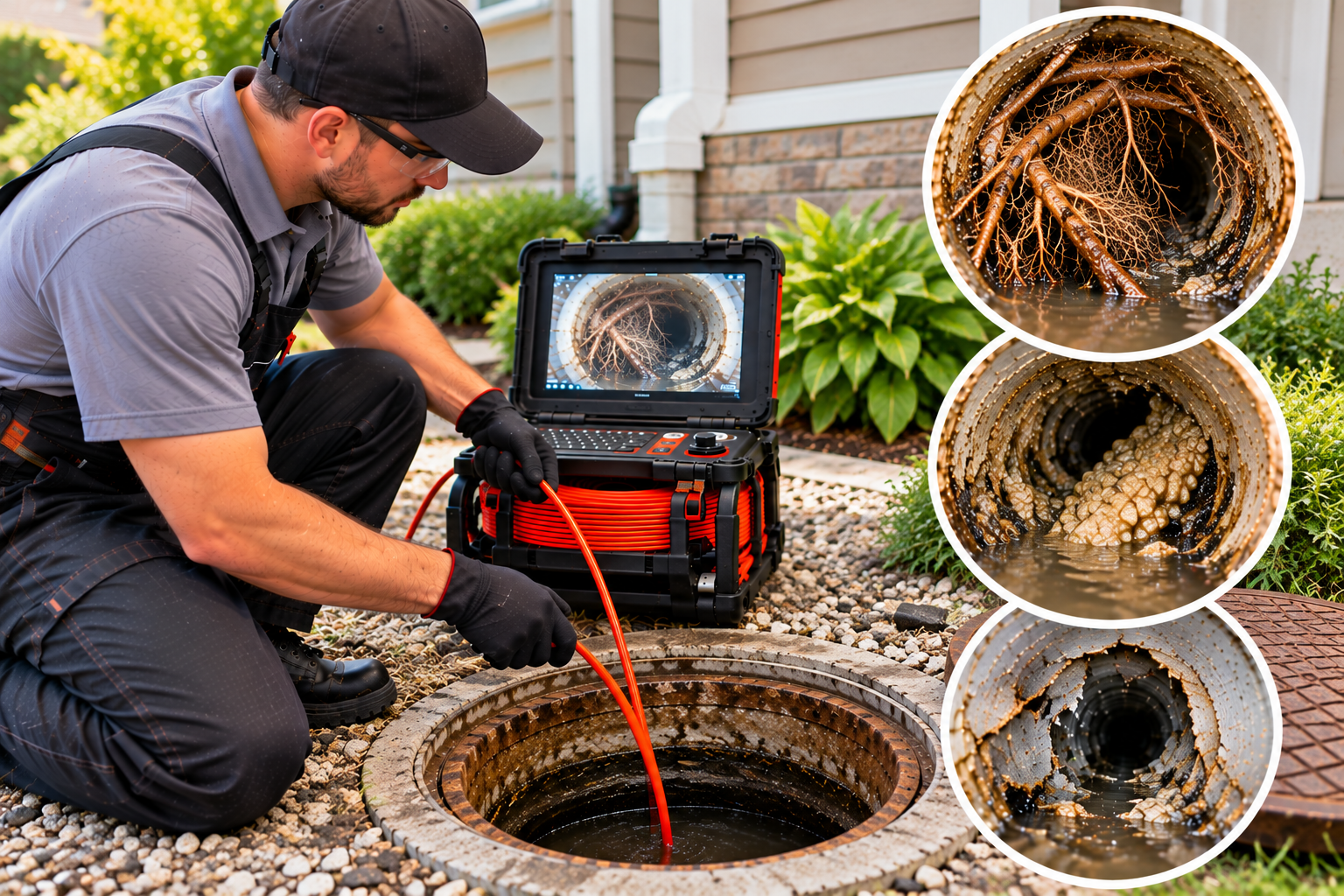

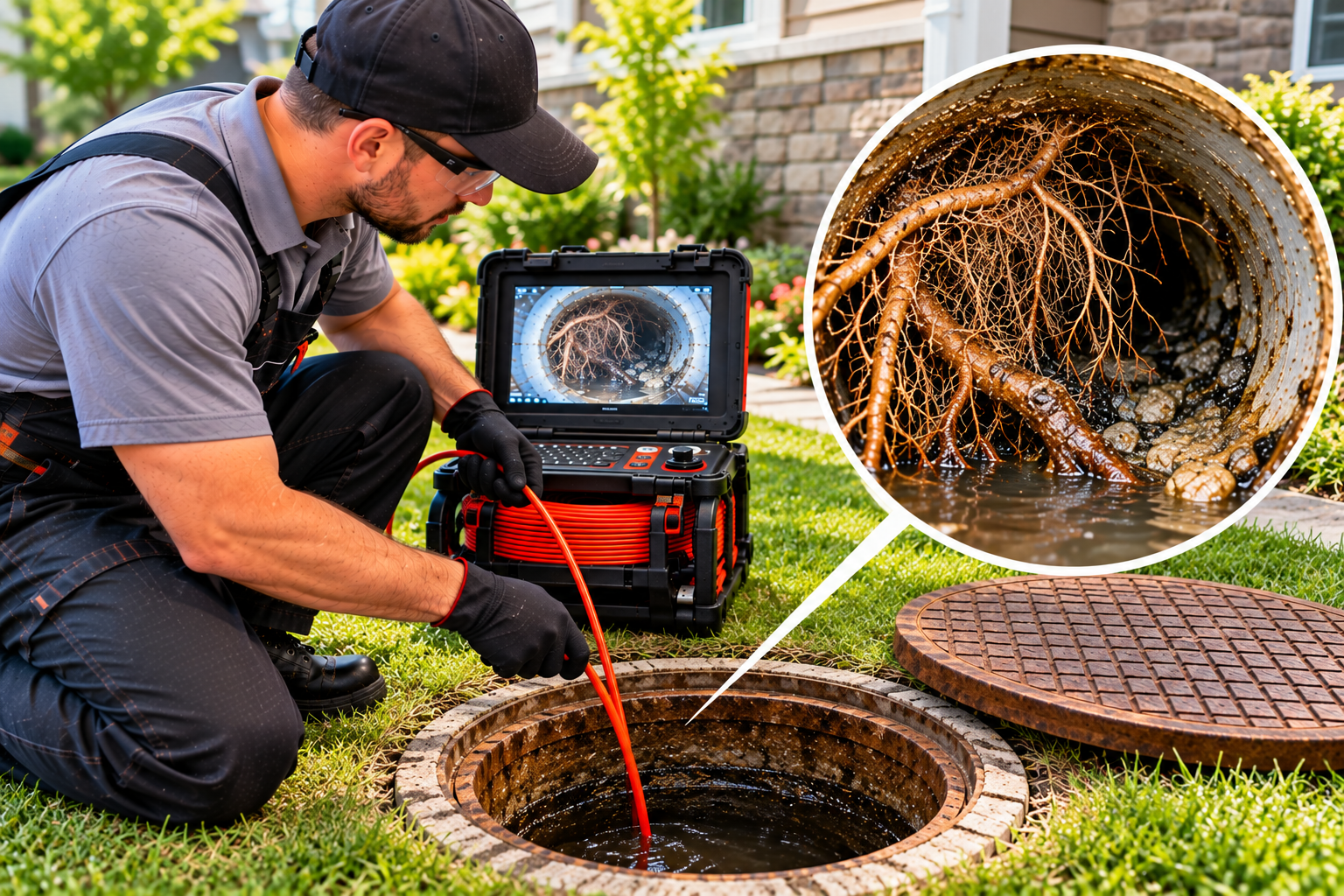
Can tree roots really grow inside a home’s underground sewer pipes? Tree Roots in Sewer Lines: Warning Signs and Solutions is an important topic for Calgary homeowners experiencing recurring drain clogs, unexplained sewer backups, or slow wastewater flow. Roots can enter vulnerable underground piping and gradually create restrictions that become more difficult to manage.
In Southeast Calgary communities such as Riverbend, Lake Bonavista, Douglasdale, and McKenzie Towne, established landscaping may place trees and underground drainage infrastructure near one another. Understanding when to arrange professional sewer line inspection and drain cleaning services in Calgary can help homeowners identify possible root intrusion without assuming every drainage problem involves trees.
Tree root intrusion is not always visible from the surface, and its symptoms can resemble grease buildup or other sewer restrictions. Recognizing the warning signs, understanding how roots enter pipes, and knowing which repair methods address the underlying problem can help homeowners make informed decisions.
Tree roots can enter sewer lines through cracks, damaged joints, or other openings. Warning signs include recurring clogs, multiple slow drains, gurgling toilets, and wastewater backups. Professional camera inspection can reveal visible roots, while cleaning and appropriate pipe repairs may be needed to address the obstruction and entry point.
What Are the Warning Signs of Tree Roots in Sewer Lines?
Tree roots growing inside sewer pipes can interfere with wastewater flow and trap other materials.
Symptoms depend on the location and extent of the intrusion. Small roots may cause intermittent restrictions, while larger root masses can contribute to substantial blockages.
However, the same symptoms may result from grease, debris, or damaged piping. Root intrusion should be confirmed through appropriate inspection.
Recurring Drain Clogs That Return After Cleaning
One of the more concerning signs is a drain that repeatedly becomes blocked after cleaning.
Mechanical cleaning may temporarily remove roots or accumulated debris without correcting the opening through which roots entered.
As roots continue growing, the restriction may return.
Repeated blockages deserve investigation rather than endless temporary treatments.
Multiple Household Drains Become Slow
A single slow bathroom sink often indicates a localized restriction.
When several fixtures begin draining poorly, the problem may involve a shared branch or main sewer line.
Roots entering underground sewer piping can reduce the available space for wastewater, especially when additional debris collects around them.
Gurgling Sounds From Toilets and Drains
Unusual bubbling or gurgling may occur when wastewater movement and airflow are disrupted.
For example, a toilet might gurgle when a bathtub drains or a washing machine discharges water.
Partial sewer restrictions can contribute to these symptoms, although venting problems may produce similar sounds.
A plumber should consider the full drainage pattern before identifying the cause.
Wastewater Backing Up Into Basement Floor Drains
Basement floor drains are often among the lowest drainage openings in a home.
If root intrusion substantially restricts the main sewer line, wastewater may rise through a lower fixture when other plumbing is used.
This is a serious warning sign that requires prompt attention.
Immediate safety concern: If wastewater is backing up into a basement or another household fixture, stop using connected plumbing. Keep children and pets away from contaminated areas, avoid direct contact with wastewater, and arrange qualified plumbing assistance.
Sewage-Like Odours Around Plumbing Fixtures
Persistent unpleasant odours may accompany drainage restrictions or wastewater accumulation.
However, a sewage-like smell can also result from a dry trap, damaged connection, or venting issue.
Odour alone does not confirm tree root intrusion, but it becomes more concerning when combined with recurring backups or slow drains.
Unusual Moisture Around Underground Sewer Areas
In some circumstances, damaged sewer piping may contribute to unusual moisture around the property.
However, wet ground can also result from irrigation, rainfall, groundwater, or water supply leaks.
Surface moisture does not reliably identify root intrusion and should be investigated before conclusions are drawn.
Why Do Tree Root Blockages Often Return?
Roots may continue growing through an existing opening even after a cleaning procedure restores flow.
If the pipe defect remains, the same location may become restricted again.
That is why root removal and long-term pipe repair are separate considerations.
Cleaning addresses the immediate obstruction, while repair may address the entry point.
Can Tree Roots Cause a Complete Sewer Backup?
Yes. Extensive root intrusion can contribute to a complete or near-complete restriction.
Wastewater may then back up through low-level drains when connected fixtures are used.
However, not every sewer backup involves roots. Grease, foreign objects, and structural defects can produce similar symptoms.
Key warning: Repeated sewer clogs, multiple slow drains, and wastewater backups may indicate root intrusion, especially when the problem returns after cleaning. Camera inspection can help determine whether roots are actually present.
Homeowners can find local service information through the Calgary Electrical and Plumbing Google Maps listing or view the company’s plumbing services video.
How Do Tree Roots Enter Underground Sewer Pipes?
Tree roots naturally grow through soil in search of conditions that support plant growth.
Underground sewer pipes may contain moisture and nutrients, but roots generally require an opening or vulnerable connection to enter the pipe interior.
Understanding how intrusion occurs helps explain why cleaning alone may not provide a permanent solution.
Roots Enter Through Cracks and Damaged Pipe Joints
Small openings in sewer pipes can allow fine roots to enter.
Once inside, roots may expand and branch through the available space.
Additional wastewater debris can become trapped around the root growth, creating a larger restriction.
Some defects may worsen as the surrounding pipe condition deteriorates.
Why Are Sewer Pipe Joints Vulnerable?
Pipe joints connect separate sections of underground drainage piping.
When a joint becomes damaged, displaced, or inadequately sealed, it may provide an entry point for roots.
Joint condition depends on pipe material, installation quality, age, and underground movement.
Not every joint is defective, and visible root intrusion should be confirmed before recommending repairs.
Can Tree Roots Break Through Perfectly Intact Sewer Pipes?
Roots commonly exploit existing openings rather than penetrating a sound, continuous pipe wall.
However, root pressure and surrounding soil conditions may contribute to problems around already vulnerable piping.
A camera inspection can reveal visible roots and defects, but it may not establish precisely how the original opening developed.
Do Older Sewer Pipes Have a Higher Risk?
Some older sewer systems contain materials and joints that may be more susceptible to deterioration over time.
Clay, concrete, and certain older pipe assemblies may develop openings that permit root entry.
However, age alone does not prove a sewer is damaged.
The actual condition of the piping should guide inspection and repair decisions.
Can Roots Enter Modern Plastic Sewer Pipes?
Yes, roots may enter modern piping if a joint is damaged, a connection is defective, or the pipe develops an opening.
Plastic piping can offer advantages when correctly installed, but no system is automatically immune to damage.
Newer homes can therefore experience root intrusion under certain conditions.
Do Large Trees Always Cause Sewer Problems?
No. A large tree near a sewer line does not automatically mean roots have entered the pipe.
Root growth depends on tree species, soil conditions, available moisture, and the location of vulnerable underground piping.
Likewise, smaller trees and shrubs may develop extensive root systems.
For general botanical background, see this overview of tree root systems. Root biology alone cannot establish whether a particular sewer line is damaged.
Can Landscaping Changes Affect Underground Sewers?
Planting trees near underground drainage infrastructure can create future maintenance considerations.
However, exact planting distances depend on tree species, root behaviour, pipe location, and site conditions.
Homeowners should identify underground utilities and seek appropriate advice before planting or excavating near buried services.
Are Established Calgary Neighbourhoods More Vulnerable?
Properties in established Southeast Calgary communities such as Riverbend, Lake Bonavista, and Douglasdale may have mature landscaping near underground services.
That can make root intrusion worth considering when recurring sewer symptoms develop.
However, mature trees do not automatically indicate sewer damage.
Homes in newer areas such as Mahogany, Seton, and Auburn Bay can also experience drainage defects.
How Quickly Can Roots Block a Sewer Line?
There is no universal timeline for root intrusion.
Growth depends on the size of the opening, available moisture, root characteristics, and pipe conditions.
Some restrictions may develop gradually, while others become noticeable when additional debris collects around existing roots.
Can Roots Cause Permanent Sewer Pipe Damage?
Root intrusion can be associated with damaged joints, cracks, and other structural defects.
In some cases, continued growth may contribute to worsening conditions around an existing opening.
Whether repair or replacement is necessary depends on the actual pipe condition.
Removing roots does not automatically restore a damaged pipe to its original condition.
Important distinction: Root intrusion is usually associated with an existing opening or vulnerable connection. Removing the roots can restore drainage, but the underlying entry point may remain unless the pipe is repaired.
For local business information, homeowners may consult this Calgary plumbing service location reference and the shared Google business reference for Calgary Electrical and Plumbing.
Root entry takeaway: Tree roots commonly enter sewer pipes through cracks, damaged joints, or other openings. Pipe condition matters more than tree size alone, and professional inspection is needed to confirm the location and severity of intrusion.
Request a sewer root intrusion inspection and drain cleaning estimate in Calgary in just a few clicks.
Get My Free Estimate
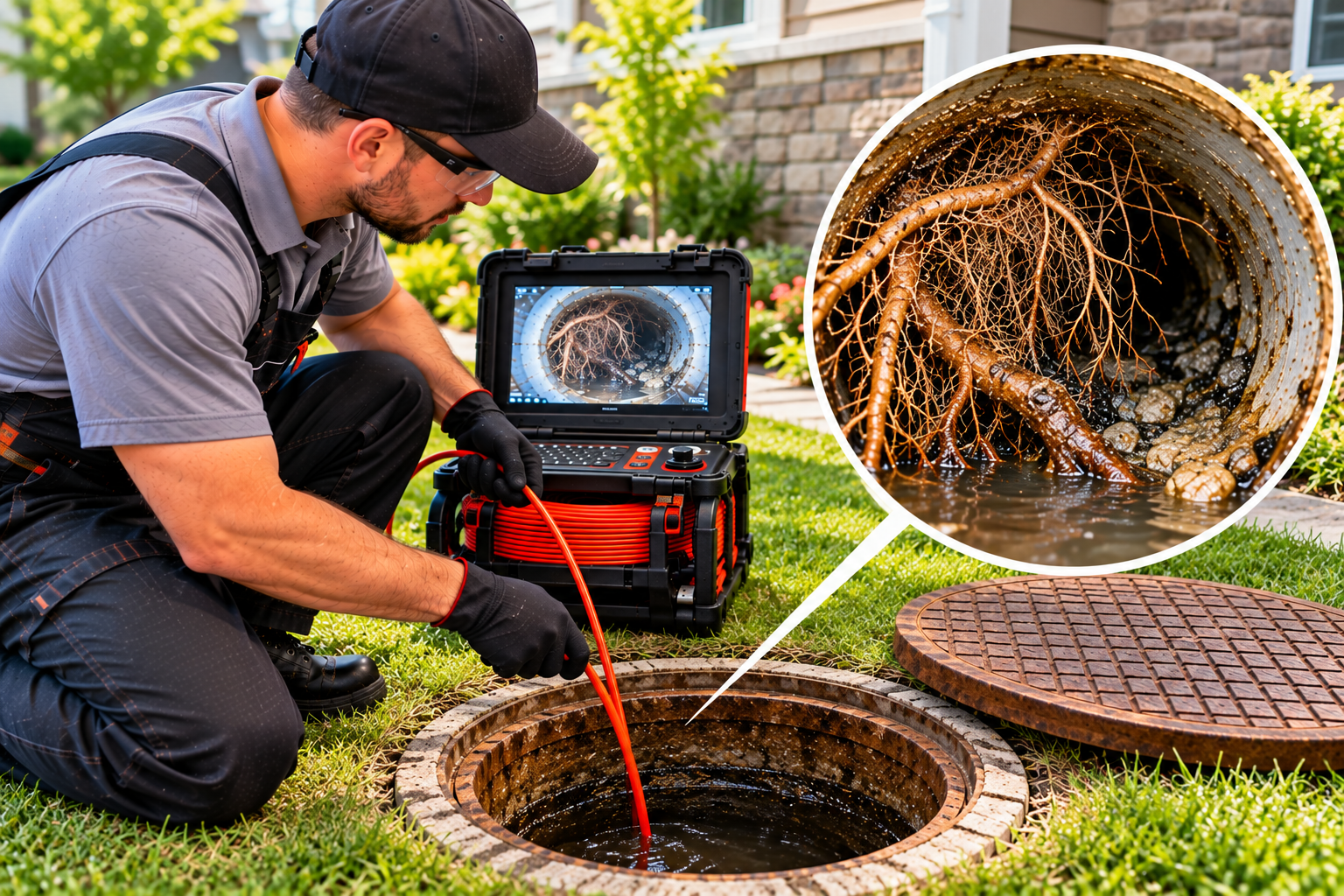
How Do Plumbers Remove Tree Roots From Sewer Lines?
Professional treatment begins by identifying whether roots are present and assessing the condition of the affected pipe.
Removing an obstruction is not always the same as correcting the underlying defect.
The most appropriate method depends on pipe material, access, root growth, and structural condition.
Step 1: Investigate the Drainage Symptoms
The plumber may ask about recurring clogs, previous sewer cleaning, and which household fixtures are affected.
Several slow drains or wastewater backups may indicate a shared sewer restriction.
However, these symptoms do not identify roots without further investigation.
Step 2: Inspect the Sewer Line With a Camera
A waterproof sewer camera may reveal visible root strands, root masses, displaced joints, or cracks.
Some inspection equipment can also help locate the approximate position of a defect.
Heavy debris or standing water may limit visibility, so cleaning may be necessary before the inspection is complete.
For related warning signs, read Signs Your Main Sewer Line May Be Blocked.
Step 3: Remove Accessible Root Obstructions
Professional mechanical cleaning equipment may cut or remove roots inside suitable drainage pipes.
The equipment and approach depend on the pipe condition and location of the intrusion.
Removing roots can restore wastewater flow, but it does not necessarily repair the opening through which they entered.
Can Hydro Jetting Remove Tree Roots?
High-pressure water cleaning may help remove certain root debris and deposits in suitable piping.
However, it is not automatically appropriate for every sewer line.
Damaged or deteriorated piping may require another method or further assessment before high-pressure cleaning is considered.
Can Chemical Root Treatments Solve the Problem?
Some root-control products are marketed for sewer maintenance, but their suitability depends on local requirements, product approvals, and pipe conditions.
They should not be treated as a substitute for diagnosing structural defects.
Homeowners should avoid introducing unapproved chemicals into drainage systems or combining products.
Step 4: Evaluate the Pipe After Cleaning
Once the obstruction is reduced, the plumber may be able to obtain a clearer view of the pipe interior.
A follow-up camera inspection can help document visible cracks, displaced joints, or other entry points.
This information supports decisions about repair, replacement, or future monitoring.
When Is Sewer Pipe Repair Necessary?
Repair may be recommended when root intrusion is associated with a confirmed pipe defect.
Localized damage may sometimes be addressed through a targeted repair.
More extensive deterioration, collapse, or severe misalignment may require broader work.
The recommendation should reflect the condition of the actual pipe rather than root presence alone.
Can Trenchless Sewer Repair Prevent Roots From Returning?
Certain trenchless repair methods may be suitable for some damaged sewer lines.
However, suitability depends on pipe alignment, structural condition, access, and the repair system being considered.
Trenchless methods are not appropriate for every defect and should not be presented as a guaranteed solution.
Does Root Removal Require Digging Up the Yard?
Many sewer cleaning procedures can be performed through existing access points.
However, inaccessible piping or significant structural damage may require excavation or additional access work.
A camera inspection can help inform the scope of repair, but it cannot guarantee that digging will be unnecessary.
How Much Does Tree Root Removal Cost in Calgary?
Costs vary according to pipe access, root growth, equipment requirements, and whether the sewer line needs repair.
| Service | Illustrative CAD Range | Typical Purpose |
|---|---|---|
| Initial drainage assessment | $100–$300+ | Evaluating symptoms and accessible plumbing |
| Sewer camera inspection | $200–$500+ | Identifying visible roots and pipe defects |
| Mechanical root removal | $250–$650+ | Removing suitable root obstructions |
| Hydro jetting | $350–$900+ | Cleaning suitable sewer piping |
| Localized sewer repair | Scope-dependent | Correcting a confirmed damaged section |
| Extensive sewer replacement | Scope-dependent | Addressing severe or widespread defects |
Pricing disclaimer: These figures are illustrative planning ranges, not verified Calgary averages or published Calgary Electrical and Plumbing rates. Actual estimates depend on site conditions, equipment, pipe access, root severity, and repair requirements. Taxes and additional work may increase costs.
How Long Does Sewer Root Removal Take?
The time required depends on the extent of the roots, pipe access, and whether structural defects are present.
A removable obstruction may be simpler to address than roots associated with a collapsed or badly displaced pipe.
Inspection and repair requirements can extend the service.
Will Tree Roots Grow Back After Sewer Cleaning?
They may return if the opening that allowed entry remains.
Mechanical cleaning can improve flow without eliminating the underlying vulnerability.
Long-term management may involve pipe repair, monitoring, or periodic cleaning based on the findings.
Important safety advice: Avoid attempting aggressive root cutting, excavation, or chemical treatment without appropriate expertise. Underground utilities, damaged pipes, wastewater contamination, and unsuitable equipment can create significant risks. Arrange qualified assessment before selecting a repair method.
Repair takeaway: Professional root removal can restore sewer flow, but lasting results may depend on addressing the pipe defect that permitted intrusion. Camera inspection and post-cleaning assessment help determine whether repair or monitoring is appropriate.
Homeowners can also follow the Calgary Electrical and Plumbing Facebook page for company information and service-related updates.
How Can Calgary Homeowners Prevent Sewer Root Intrusion?
Preventing sewer root intrusion involves understanding underground pipe locations, maintaining drainage infrastructure, and responding to recurring warning signs.
No preventive strategy can guarantee that roots will never enter a sewer line.
However, informed landscaping and appropriate maintenance can help reduce avoidable problems.
Know Where Underground Sewer Pipes Are Located
Before planting trees or making significant landscaping changes, homeowners should identify underground services.
Property records and appropriate utility locating services may help establish relevant underground infrastructure.
Never assume the sewer line follows a particular route without suitable verification.
Choose Tree Planting Locations Carefully
Tree selection and planting location should consider mature root growth, available soil space, and nearby infrastructure.
There is no single safe planting distance that applies to every tree species and sewer system.
Homeowners should seek appropriate landscaping advice before planting near buried pipes.
Maintain Existing Sewer Pipe Connections
Damaged joints and cracks can provide entry points for roots.
When an inspection identifies a confirmed defect, repairing the vulnerable section may help reduce future intrusion.
Cleaning alone may not correct the structural opening.
Respond to Recurring Drainage Problems
Repeated sewer clogs deserve investigation, particularly when the same restriction returns after cleaning.
A camera inspection may reveal whether roots are present and whether the pipe has visible defects.
Early diagnosis can help homeowners avoid repeated temporary treatments without understanding the cause.
Consider Follow-Up Inspections When Roots Are Confirmed
Properties with documented root intrusion may benefit from a tailored inspection or maintenance schedule.
The appropriate interval depends on root growth, pipe condition, previous repairs, and recurring symptoms.
Routine camera inspections are not automatically necessary for homes without known sewer problems.
Keep Records of Sewer Cleaning and Repairs
Save inspection reports, repair documentation, and previous cleaning information.
These records can help plumbers identify recurring problem locations and understand what work has already been performed.
Documentation is particularly useful when deciding whether another cleaning or a structural repair is appropriate.
Can Removing a Tree Solve Sewer Root Problems?
Removing a tree does not automatically repair a damaged sewer pipe or eliminate existing roots inside it.
Tree removal may also be unnecessary when the problem can be addressed through targeted pipe repair.
Homeowners should evaluate the actual sewer condition before making major landscaping decisions.
Are Root Barriers Effective Near Sewer Lines?
Root barriers may be considered during landscaping planning in suitable situations.
However, their effectiveness depends on design, installation, soil conditions, and the relationship between roots and underground infrastructure.
They should not be treated as a substitute for repairing an existing sewer defect.
Can Homeowners Prevent Roots by Using Drain Chemicals?
Routine chemical treatment is not a universal solution for sewer root intrusion.
Product restrictions, environmental considerations, and pipe condition may affect suitability.
Homeowners should avoid unapproved chemicals and seek professional advice before using any root-control treatment.
Does Regular Drain Cleaning Prevent Root Intrusion?
Cleaning may help manage existing deposits or root growth in suitable piping.
However, it cannot guarantee that roots will not enter through damaged joints or cracks.
Where a structural opening exists, repair may be necessary for more lasting protection.
What Should Calgary Homeowners Do When Root Intrusion Is Suspected?
Use the following checklist to respond appropriately:
- Note whether several drains are slow or repeatedly clogging.
- Record when gurgling or wastewater backups occur.
- Stop using connected plumbing if an active sewer backup develops.
- Avoid repeated chemical drain treatments.
- Ask whether camera inspection is appropriate for the symptoms.
- Review any visible pipe defects before deciding on repairs.
- Keep documentation of cleaning, inspections, and completed work.
Are Root Intrusion Risks Different Across Southeast Calgary?
Every property has different landscaping, pipe materials, and underground conditions.
Established areas such as Lake Bonavista and Riverbend may have mature trees near buried infrastructure.
Newer communities such as Copperfield, New Brighton, and Seton can still experience sewer defects or root intrusion.
Property-specific evidence is more useful than assumptions based on neighbourhood age.
Long-term prevention: Appropriate planting decisions, attention to recurring symptoms, and repair of confirmed pipe defects can help reduce root-related sewer problems. The most effective strategy depends on the actual condition of the underground drainage system.
When Is Professional Sewer Assessment Worthwhile?
Professional assessment is particularly useful when recurring clogs, multiple slow drains, or wastewater backups suggest a shared sewer restriction.
A camera inspection may reveal visible root intrusion and help guide cleaning or repair decisions.
Not every minor drain clog requires a sewer camera, but repeated symptoms should not be ignored.
Final takeaway: Tree root intrusion is often associated with openings in underground sewer piping. Cleaning can remove obstructions, while repair may be needed to address the entry point. Informed maintenance and appropriate diagnosis provide a more effective approach than repeated temporary treatments.
Request a sewer root intrusion inspection and drain cleaning estimate in Calgary in just a few clicks.
Get My Free Estimate
Protect Your Sewer Line From Recurring Root Problems
Tree roots can enter vulnerable sewer joints and cracks, creating recurring blockages and contributing to drainage backups. Camera inspection can help identify visible roots, while suitable cleaning and pipe repairs may address both the immediate obstruction and underlying entry point.
If recurring sewer problems are affecting your property, a local calgary plumber can assess whether root intrusion is involved. Call Calgary Electrical and Plumbing at (403) 421-1991 to discuss your drainage concerns.
Frequently Asked Questions about Tree Roots in Sewer Lines
What are the first signs of tree roots growing inside a sewer line?
Common warning signs include recurring drain clogs, several slow fixtures, gurgling toilets, and wastewater backups. These symptoms can also result from grease or damaged piping. A professional sewer camera inspection may reveal visible roots and help determine the actual cause.
Can tree roots enter PVC sewer pipes?
Yes. Roots may enter PVC sewer piping through damaged joints, cracks, or defective connections. Properly installed and intact piping is less vulnerable, but no material is completely immune to damage. Inspection is needed to confirm whether roots have entered a particular line.
Will tree roots grow back after sewer cleaning?
Roots may return if the opening that allowed them to enter remains. Mechanical cleaning can restore wastewater flow without repairing the underlying defect. Depending on pipe condition, a plumber may recommend targeted repair, monitoring, or additional maintenance to manage recurring intrusion.
How much does sewer tree root removal cost in Calgary?
Costs depend on pipe access, root severity, and equipment requirements. An illustrative planning range for mechanical root removal is CAD $250–$650 or more. This is not a verified Calgary average or binding company quote. Camera inspections and pipe repairs may cost extra.
Does removing a tree eliminate roots already inside a sewer pipe?
Not necessarily. Removing a tree does not repair damaged sewer joints or automatically clear existing root material from the pipe. Professional cleaning and assessment may still be required. Tree removal should not be assumed necessary without evaluating the actual sewer condition.
Don’t wait for the problem to get worse.
Call (403) 421-1991 Now
Local Help Available 24/7 in Calgary