

How Much Does Toilet Repair Cost in Calgary? For many common problems, homeowners can expect a professional toilet repair to fall roughly between $150 and $450, although simple adjustments may cost less and complex leaks, flange damage, stubborn blockages or multiple failed components can push the total higher.
The most useful way to understand the price is to identify what is actually wrong before assuming the entire toilet needs replacing. A homeowner looking for professional toilet and plumbing service in Calgary may be dealing with anything from an inexpensive tank component to a more involved problem beneath the toilet.
A constantly running toilet in Cranston, a weak-flushing fixture in Mahogany and a toilet leaking around its base in McKenzie Towne can all look like “toilet problems,” yet the labour, parts and repair process can be very different. That is why diagnosis matters before an accurate price can be established.
Typical Calgary toilet repairs may cost about $150–$450, while complex flange, drainage or leak repairs can cost more. The final price depends on the failed part, labour, accessibility, toilet condition and if additional plumbing work is required.
What Does Toilet Repair Usually Cost in Calgary?
There is no single price for every toilet repair because a toilet contains several components and connects directly to the home’s water supply and drainage system. A minor tank repair is normally simpler than removing the toilet to correct a failed wax seal or damaged flange.
As a general planning range, many routine professional toilet repairs can fall between approximately $150 and $450. More involved work can exceed that range when the toilet must be removed, drainage issues investigated, multiple parts replaced or damaged plumbing corrected.
Calgary toilet repair cost by common problem
| Toilet Problem or Service | Approximate Planning Range | What May Be Involved |
|---|---|---|
| Minor adjustment or simple tank repair | $150–$225 | Adjustment, diagnosis or replacement of a basic internal component |
| Flapper or flush-valve related repair | $150–$275 | Tank inspection, worn seal or flush component replacement |
| Fill valve replacement | $175–$300 | Removal and replacement of a faulty fill mechanism |
| Running toilet diagnosis and repair | $175–$350 | Fill valve, flapper, overflow, chain or multiple tank components |
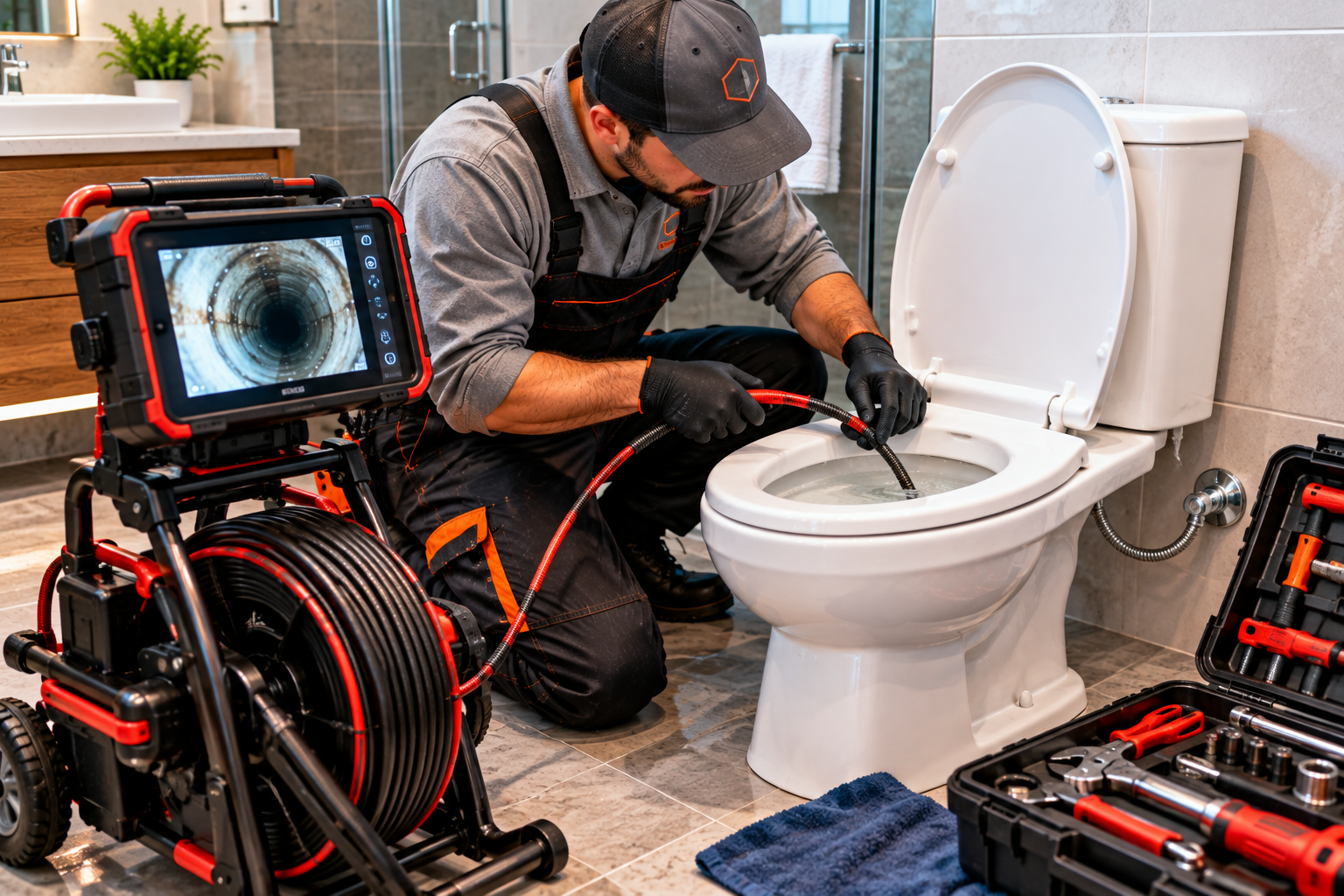
| Toilet clog service | $175–$350+ | Depends on blockage location, severity and required equipment |
| Wax ring or base-seal repair | $250–$450+ | Toilet removal, new seal, resetting and testing |
| Toilet flange repair | $300–$650+ | Removal of toilet and repair or replacement of damaged flange components |
| Complete toilet replacement | $350–$800+ labour and standard installation considerations | Fixture removal, installation, connection and disposal requirements; toilet cost may be additional |
Important: These are broad Canadian-dollar planning ranges rather than fixed quotations. Toilet type, required parts, service timing, access, plumbing condition and the actual problem discovered during diagnosis can change the final cost.
Why a running toilet can be relatively inexpensive to repair
A toilet that runs periodically may have a deteriorated flapper, poorly adjusted chain, faulty fill valve or incorrect water level. If the issue is isolated to one accessible tank component, repair can often be straightforward.
The price can rise when several old components are failing together. In an aging toilet, replacing only one part may not solve a second problem elsewhere in the tank.
Why a toilet leaking at the base costs more
A base leak usually requires more work because the toilet may need to be disconnected and lifted from the floor. The plumber can then inspect the seal, flange and surrounding connection before resetting the fixture.
If the flange is cracked, loose, badly corroded or positioned incorrectly, additional repair may be required before the toilet can be securely reinstalled.
Why toilet repair prices vary between Calgary homes
A newer home in Seton may have a modern toilet with readily available parts, while an older home in Acadia or Riverbend may have an aging fixture, older shut-off valve or previous repairs that complicate the job.
Accessibility also matters. Tight bathrooms, deteriorated mounting hardware and corroded water connections can add labour even when the original symptom appears simple.
Homeowners can view the company’s Calgary plumbing service location on Google Maps when checking local service information.
What Factors Affect the Cost of Toilet Repair?
The symptom you notice is only the starting point. Two toilets can both be running continuously but require different repairs once the tank components are inspected.
Understanding the main cost factors helps explain why a price quoted for one Calgary home may not match another.
1. The failed toilet component
A toilet contains a fill valve, flush mechanism, seals, tank hardware, supply connection and other components. Some parts are inexpensive and accessible; others require more disassembly.
Repair becomes more involved when the problem is below the fixture rather than inside the tank.
2. The toilet’s age and condition
An older toilet can have brittle seals, corroded bolts, deteriorated tank hardware or several components nearing the end of their useful service life.
If several parts require attention, the homeowner may need to compare the combined repair cost with installing a newer fixture.
3. Parts availability
Many conventional toilets use common replacement components. Specialty, discontinued or proprietary designs can require specific parts that may cost more or take longer to source.
This is one reason identifying the toilet manufacturer and model can be useful before service.
4. Toilet removal
Repairs inside the tank generally do not require the entire fixture to be removed. A wax-ring, flange or certain drainage problems can be different.
Removing, inspecting and correctly resetting a toilet adds labour and may reveal problems that could not be seen while the fixture was installed.
5. The condition of the shut-off valve
The water supply must be controlled before many toilet repairs can be performed. An old shut-off valve that no longer closes correctly can become a separate plumbing issue.
Replacing or repairing that valve adds work beyond the original toilet problem.
6. Hidden water damage
A leaking toilet can sometimes affect flooring or surrounding materials before the problem is noticed. Plumbing repair addresses the leak itself, but damaged finishes or structural materials may require separate restoration.
Water around the toilet base should therefore be investigated rather than repeatedly wiped away.
7. The severity of a blockage
A simple toilet obstruction may be relatively quick to clear. A blockage deeper in the drain line can require additional equipment and investigation.
Recurring clogs are especially important because they may point to a problem beyond the toilet trap itself.
Scenario: a running toilet in Auburn Bay
A homeowner hears the toilet refill every few minutes even though nobody has flushed it. Inspection reveals that water is slowly escaping from the tank into the bowl.
If the cause is a worn flapper or another accessible tank component, the repair can be comparatively modest. If the fill and flush mechanisms are both deteriorated, replacing multiple parts may make more sense.
Scenario: water around a toilet in Douglasdale
Water appears near the toilet base after flushing. Tightening visible hardware without diagnosing the source is not enough because the leak may involve the seal beneath the toilet.
The fixture may need to be removed so the wax ring and flange can be inspected before it is reset and tested.
For homeowners who prefer visual plumbing information, the company’s Calgary plumbing education channel on YouTube provides another way to explore service topics, and this featured plumbing service video offers additional company information.
Request a toilet repair estimate in Calgary in just a few clicks.
Get My Free Estimate
Is It Better to Repair or Replace a Toilet?
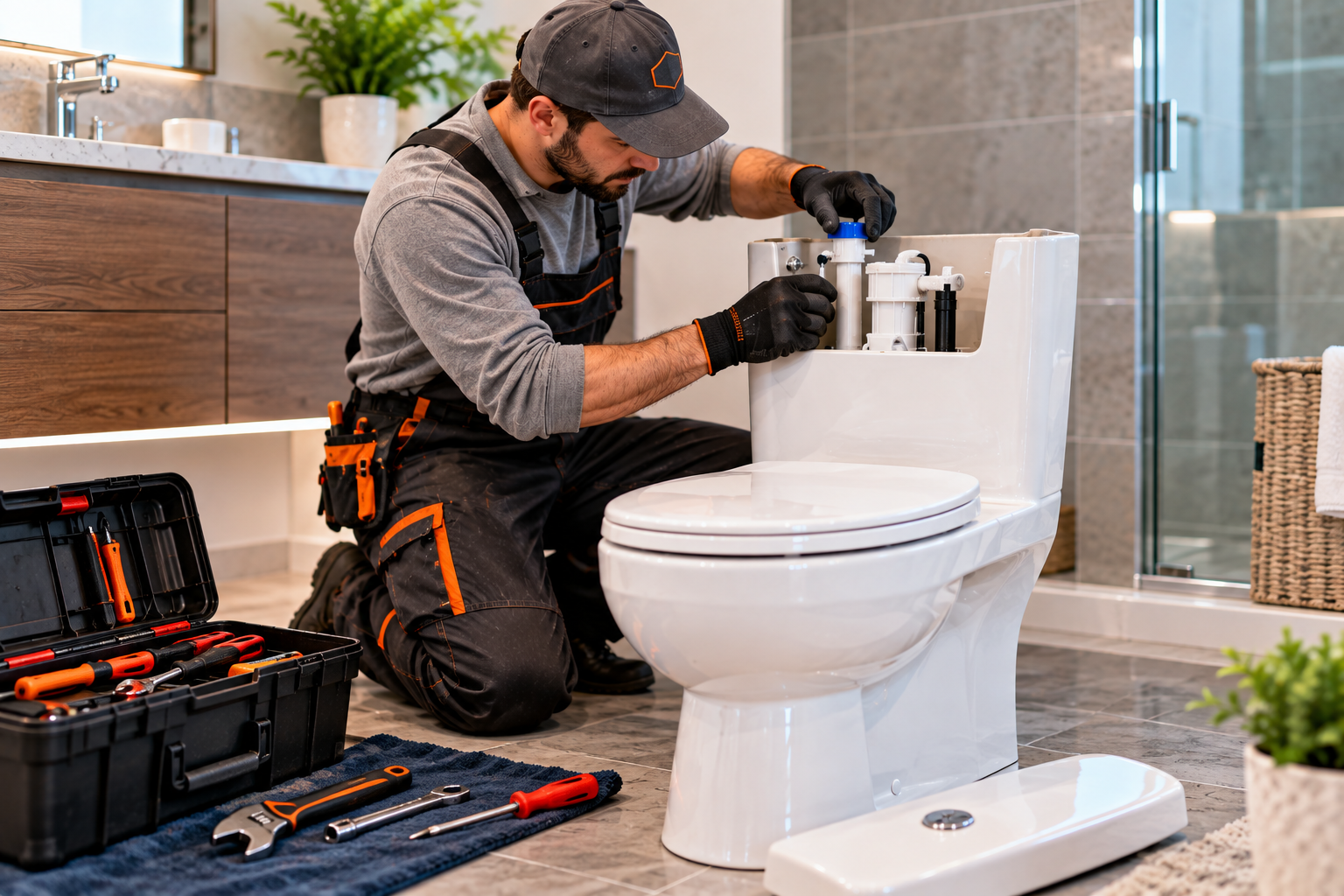
Repair is often the sensible option when the toilet is in good physical condition and the problem is limited to a replaceable component. A worn flapper or fill valve does not automatically justify replacing the whole fixture.
Replacement becomes more attractive when the toilet is old, physically damaged, inefficient, difficult to repair or experiencing several recurring problems.
Repair usually makes sense when the problem is isolated
A single failed tank component is a classic repair situation. The bowl and tank may still be in good condition, and replacing the defective mechanism can restore normal operation.
Likewise, a toilet with an otherwise sound fixture may only need a new seal or properly corrected mounting issue.
Replacement may make sense after repeated repairs
If the same toilet has needed repeated service for running, weak flushing, leaks and failing hardware, continuing to replace individual parts can become less attractive.
A plumber can help compare the condition of the existing fixture with the likely cost and benefits of replacement.
A cracked toilet is different from a worn component
A crack in the porcelain tank or bowl deserves serious attention. Unlike a replaceable flapper or valve, damaged porcelain affects the fixture itself.
Replacement may be the appropriate solution rather than attempting to treat a structural fixture problem as a normal component repair.
Consider water use when evaluating an older toilet
An older toilet that runs intermittently can waste water without producing an obvious floor leak. If internal tank components no longer seal correctly, water can continually move from the tank into the bowl.
The same principle applies to other fixtures. This guide explaining how fixture leaks can contribute to higher Calgary water consumption provides useful context for homeowners monitoring unexplained water use.
Do not assume a weak flush means the toilet needs replacement
A weak flush can result from tank water level, internal component adjustment, mineral buildup or a partial blockage. Replacing the toilet without diagnosing the actual cause may not solve a downstream drainage problem.
A professional assessment separates fixture performance problems from drain-line problems before money is spent on a new toilet.
What about a toilet that keeps clogging?
Occasional clogs can happen because of excessive paper or inappropriate material entering the toilet. Repeated clogging under normal use deserves closer attention.
The toilet’s design, trapway condition or the connected drain may be contributing. If other fixtures also drain poorly, the problem may extend beyond the toilet itself.
What about a toilet that rocks?
A toilet should sit securely on the floor. Rocking can strain the seal beneath the fixture and should not simply be ignored because the toilet still flushes.
The cause could involve mounting, an uneven surface or flange-related conditions. Correcting the source helps protect the seal and keeps the fixture stable.
- The toilet is structurally sound.
- The problem involves one or two replaceable components.
- The fixture normally flushes effectively.
- Replacement parts are readily available.
- The repair cost remains reasonable compared with replacement.
Replacement may deserve consideration when:
- The porcelain is cracked or damaged.
- The toilet needs frequent repairs.
- Several major components are deteriorated.
- The fixture performs poorly despite appropriate repairs.
- The total repair cost is approaching the cost of a suitable replacement.
Scenario: an older toilet in Acadia
An older toilet develops a running problem, has corroded tank hardware and has already needed several repairs. Replacing one more component may solve today’s symptom but leave other aging parts behind.
In this situation, comparing repair and replacement costs gives the homeowner a clearer long-term decision.
Scenario: a newer toilet in New Brighton
A newer toilet begins refilling periodically because a tank seal is no longer closing correctly. The porcelain, flush performance and other components remain in good condition.
An isolated component repair can be much more practical than replacing a fixture that otherwise has years of service remaining.
Additional company updates and maintenance information are available through the Calgary Electrical and Plumbing Facebook page and the company’s Calgary plumbing updates on Instagram.
How to Avoid Paying More Than Necessary for Toilet Repair
Homeowners cannot prevent every toilet component from wearing out, but responding to early symptoms can keep a manageable repair from becoming a larger plumbing problem.
The key is to notice changes in how the toilet fills, flushes, drains and sits on the floor.
Do not ignore a toilet that keeps running
A running toilet can operate quietly enough that it becomes background noise. Water may continually pass from the tank into the bowl or the toilet may refill at intervals throughout the day.
Repairing the underlying seal, valve or adjustment issue can restore normal operation and stop unnecessary water movement.
Watch for water around the base
Water near the base is not something to monitor indefinitely. First consider if the moisture could be condensation or another nearby source, then have a persistent leak diagnosed.
A failed seal beneath the toilet can require the fixture to be removed and reset correctly.
Avoid repeatedly tightening toilet bolts
A rocking or leaking toilet can tempt homeowners to keep tightening mounting hardware. Excessive force is not a substitute for identifying the reason the fixture is moving or leaking.
Porcelain can also be damaged by improper tightening, turning a repairable mounting issue into a fixture replacement problem.
Pay attention to the shut-off valve
The toilet shut-off valve is easy to overlook until repair work is needed. If it is difficult to operate, corroded or unable to stop water flow, mention it when arranging service.
Knowing about the valve condition beforehand helps provide a more complete picture of the plumbing work that may be required.
Do not treat recurring clogs as separate accidents
If a toilet clogs repeatedly during normal use, there may be a consistent cause. Continually clearing the immediate blockage without investigating the pattern can lead to repeated service calls.
A plumber can determine if the problem is limited to the toilet or suggests an issue farther into the drainage system.
Know what information helps with an estimate
When arranging toilet repair, explain the symptom as specifically as possible. Say if the toilet runs continuously, refills periodically, leaks during flushing, rocks, clogs repeatedly or has a weak flush.
Providing the approximate toilet age, manufacturer and any recent repair history can also help prepare for the service visit.
Can a toilet repair be completed in one visit?
Many common repairs can be completed during one appointment when the problem is straightforward and the correct replacement components are available.
Specialty parts, extensive flange damage or drainage problems may require additional work. Diagnosis is what determines the actual scope.
Local conditions matter more than a generic online price
A generic repair figure cannot account for the actual fixture, plumbing condition or accessibility in a Calgary home. That is why online ranges are best used for planning rather than treated as guaranteed quotes.
Homes across Copperfield, Cranston, Mahogany, Seton, Auburn Bay, McKenzie Towne, New Brighton, Douglasdale, Riverbend and Acadia can contain very different fixture types and plumbing histories.
Should you repair a toilet before selling a home?
A toilet that runs, rocks, leaks or flushes poorly is a visible maintenance issue. Addressing the actual defect can restore normal use and prevent a small problem from becoming more disruptive.
For rental properties, functioning bathroom plumbing is equally important because minor unresolved problems can turn into repeated maintenance complaints.
What should a professional toilet repair include?
The exact process depends on the problem, but professional service should focus on identifying the cause rather than simply treating the most obvious symptom.
After repair, the toilet should be tested for correct filling, flushing, shutoff and leakage based on the work performed.
- When the problem first started.
- If the toilet runs constantly or intermittently.
- If water appears around the base.
- If the toilet rocks or feels loose.
- If clogs are recurring.
- If other drains in the home are also slow.
- If the shut-off valve operates correctly.
Where can Calgary homeowners find additional company information?
Homeowners comparing local service information can also review this additional Calgary service map reference or visit the company’s plumbing information profile on Reddit.
A further company reference is available through this shared Calgary Electrical and Plumbing business resource, providing another supplied point of reference alongside the main website and social profiles.
Request a toilet repair estimate in Calgary in just a few clicks.
Get My Free Estimate
Get the Toilet Problem Diagnosed Before It Gets More Expensive
Toilet repair costs in Calgary are usually determined by the failed component and the work required to reach and correct it. A simple tank repair can be relatively modest, while base leaks, flange damage and deeper drainage problems require more labour.
If you need a local calgary plumber to inspect a running, leaking, clogged or unstable toilet, call (403) 421-1991 to discuss the problem and arrange professional help.
Frequently Asked Questions about Toilet Repair Cost in Calgary
How much does a typical toilet repair cost in Calgary?
Many common Calgary toilet repairs may fall around $150–$450, depending on the failed component, labour and accessibility. Simple tank-component repairs can cost less than work requiring toilet removal. Flange damage, difficult blockages or several plumbing problems can increase the final price.
How much does it cost to fix a running toilet in Calgary?
A running toilet repair in Calgary may commonly cost about $175–$350, although the actual amount depends on the cause. A worn flapper or basic adjustment may be straightforward, while replacing several tank components or correcting another water-supply problem can increase the repair cost.
Is repairing a leaking toilet base more expensive?
It can be because the toilet may need to be disconnected, lifted and reset with a new seal. Calgary base-leak repairs can cost more if the flange is damaged, mounting hardware is corroded or additional plumbing problems become visible after the toilet is removed.
Is it cheaper to repair or replace an old toilet in Calgary?
Repair is often cheaper when one accessible component has failed and the toilet remains in good condition. Replacement may offer better value when an older Calgary toilet is cracked, performs poorly, needs repeated repairs or requires several components whose combined repair cost becomes substantial.
Why can’t a plumber give one fixed price for every toilet repair?
Toilet symptoms can have different causes. A Calgary toilet that runs may need a simple flapper, a fill valve or several components, while a base leak may require fixture removal and flange work. Diagnosis identifies the parts, labour and additional plumbing work required.
Don’t wait for the plumbing problem to get worse.
Call (403) 421-1991 Now
Local Help Available 24/7 in Calgary