
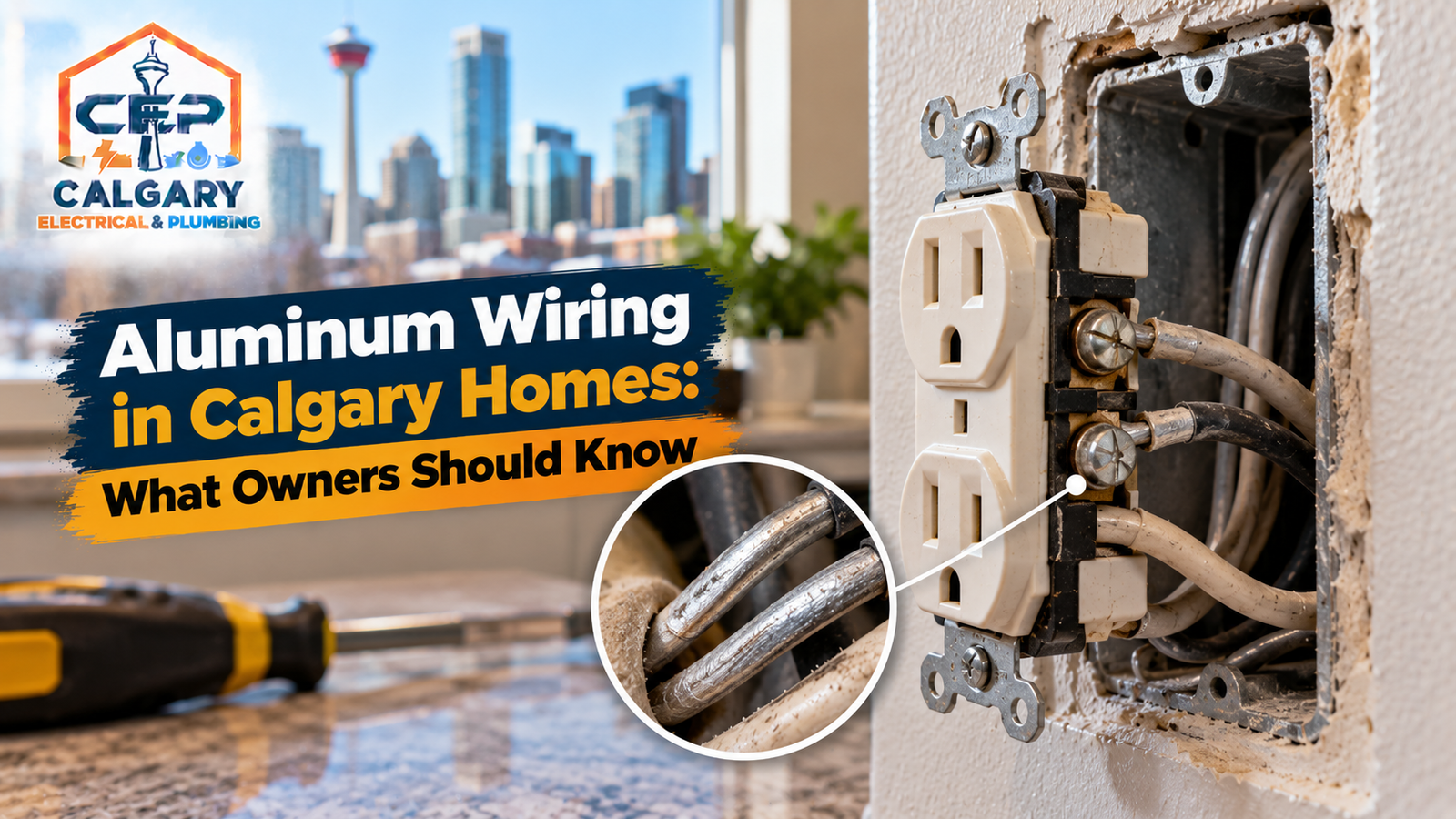
Is aluminum wiring in an older Calgary home something you should worry about? Aluminum Wiring in Calgary Homes: What Owners Should Know explains why this wiring material appears in some properties, which electrical safety concerns matter most and how homeowners can approach inspections and upgrades without unnecessary guesswork.
Aluminum is an effective electrical conductor and remains widely used in appropriately designed electrical systems. The important distinction is between modern aluminum conductors installed with compatible equipment and certain older aluminum branch-circuit installations that may have vulnerable connections. Homeowners can learn more about residential electrical services through Calgary Electrical and Plumbing.
In established communities such as Lake Bonavista, Riverbend and Douglasdale, a home’s renovation history may be as important as its construction date. Understanding the type of wiring behind your switches and receptacles can help you make sensible decisions about inspections, repairs and future renovations.
Aluminum wiring is not automatically unsafe. However, some older solid-aluminum branch circuits can develop hazardous connections if devices or terminations are unsuitable or deteriorated. A qualified electrician can identify the wiring type, inspect its connections and recommend appropriate corrective work.
Why Do Some Calgary Homes Have Aluminum Electrical Wiring?
Aluminum became a common alternative to copper in certain residential electrical installations when copper prices rose during the 1960s and 1970s. Some houses built or substantially wired during that period may contain solid-aluminum conductors serving lighting and receptacle circuits.
The presence of aluminum does not establish that a home has defective wiring. The conductor’s application, condition and connections determine whether corrective work may be needed.
When Was Aluminum Wiring Commonly Installed?
Older solid-aluminum branch-circuit wiring is most strongly associated with residential construction from the mid-1960s through the 1970s. Construction dates are useful clues, but they are not definitive evidence of a home’s wiring materials.
Later renovations may have added copper circuits, replaced portions of an electrical installation or left older wiring serving selected rooms.
A home can therefore contain more than one conductor material.
Is Aluminum Wiring the Same as Modern Aluminum Cable?
No. Aluminum remains an accepted conductor material for suitable electrical applications, including some larger feeders and service conductors.
Modern aluminum conductors and their associated terminals are engineered for their intended use. Older solid-aluminum branch circuits require separate consideration because historical connection practices and device compatibility can create different concerns.
The material alone should not be used to judge every installation.
Why Is Aluminum Different From Copper?
Both metals conduct electricity, but their physical properties differ. Aluminum has greater electrical resistance than copper for an equivalent conductor size, so suitable aluminum conductors generally need a larger cross-sectional area for comparable current-carrying applications.
Aluminum also responds differently to temperature changes and mechanical pressure. These characteristics matter when conductors are connected to terminals.
Electrical equipment must therefore be selected and installed for the conductor material involved.
Can You Identify Aluminum Wiring by Looking at an Outlet?
Not reliably. A receptacle’s colour, age or number of slots does not establish which conductor material is behind it.
Some cable jackets may carry markings identifying conductor material, but wiring is often concealed inside walls and electrical boxes.
Homeowners should not remove energized electrical covers or disturb wiring to investigate. An electrician can inspect appropriate locations using safe procedures.
Calgary example: A homeowner in Lake Bonavista purchases a property with an older main floor and a renovated basement. The basement contains newer receptacles, but that does not confirm the original upstairs circuits were rewired. A professional inspection can establish which conductor types are present.
Does a Home’s Age Prove It Has Aluminum Wiring?
No. Construction year helps narrow the possibilities, but installation records, renovations and electrical testing provide more useful information.
Even homes built during the period when aluminum branch wiring was common may contain copper wiring throughout.
For background on the material itself, homeowners can review an overview of aluminum and its properties. General material information, however, cannot determine whether a specific residential installation is safe.
Key takeaway: Older solid-aluminum branch circuits deserve attention because connection quality and device compatibility matter. Modern aluminum conductors installed with approved equipment should not be confused with historical installations that may need remediation.
Homeowners seeking local service information can consult the Calgary Electrical and Plumbing Google Maps listing.
What Are the Safety Risks of Aluminum Wiring in Older Homes?
The principal concern with certain older aluminum branch circuits is the possibility of overheating at electrical connections.
A connection may deteriorate without causing the entire circuit to stop working. This makes professional assessment important even when lights and appliances appear to operate normally.
Why Can Aluminum Wiring Connections Overheat?
Electrical current encounters resistance wherever conductors and terminals meet. If a connection becomes loose, damaged or incompatible with the conductor, resistance can increase.
Higher resistance at a loaded connection can produce localized heat. Over time, excessive heat may damage nearby insulation, receptacles or other components.
Properly designed and installed connections are intended to manage these conditions.
Thermal Expansion and Connection Movement
Electrical conductors expand as they warm and contract as they cool. Aluminum’s thermal expansion characteristics differ from copper’s.
At unsuitable or poorly installed terminals, repeated temperature changes can contribute to connection problems.
This is one reason the compatibility of the conductor, terminal and installation method is so important.
Oxidation and Contact Resistance
Aluminum naturally develops a surface oxide layer. The effect of that layer depends on the design and condition of the electrical connection.
Connections intended for aluminum conductors account for the material’s characteristics. Improvised connections or unsuitable devices may not.
Homeowners should not attempt to scrape, coat or modify conductors themselves.
Warning Signs of a Potential Aluminum Wiring Problem
Electrical connection problems do not always produce obvious symptoms. Nevertheless, certain warning signs justify immediate attention:
- Unusual warmth around a switch, receptacle or wall plate.
- Burning, melting-plastic or unexplained electrical odours.
- Discolouration around outlet openings or switch covers.
- Intermittent power to lights or connected equipment.
- Repeated flickering associated with one circuit.
- Buzzing, crackling or other unusual electrical sounds.
- Frequent breaker trips requiring investigation.
- Visible damage to accessible electrical components.
These symptoms can occur in copper-wired installations too. They indicate a possible electrical fault, not proof that aluminum is present.
Important electrical safety warning: If an outlet or switch is hot, smoking, melting or producing a burning smell, stop using the affected equipment and avoid touching damaged components. If there is smoke, fire or an immediate danger, evacuate and call 911. Do not attempt to repair energized wiring.
Can Aluminum Wiring Cause a House Fire?
Faulty electrical connections can create fire hazards, regardless of whether conductors are copper or aluminum.
Certain older aluminum branch-circuit installations have documented concerns involving connection failures and overheating. The actual condition of an individual home must be assessed rather than inferred from the conductor material alone.
A qualified electrician can evaluate accessible connections and recommend appropriate remediation.
Will a Circuit Breaker Always Detect a Bad Connection?
No. A conventional circuit breaker is designed primarily to respond to overcurrent conditions such as overloads and short circuits.
A high-resistance connection can become dangerously hot without necessarily drawing enough current to trip the breaker.
This is why a circuit that remains energized should not automatically be considered free from connection defects.
Are Flickering Lights a Sign of Aluminum Wiring Trouble?
Flickering lights can result from loose connections, incompatible dimmers, voltage fluctuations, failing lamps or other electrical problems.
In a home with older aluminum branch circuits, recurring flickering deserves careful investigation, especially when it affects multiple fixtures on the same circuit.
For additional troubleshooting context, see our guide to electrical safety concerns involving older home outlets. Receptacle grounding and aluminum conductor connections are different issues, but both may arise during an older-home inspection.
Does Aluminum Wiring Affect Insurance?
Some insurers may ask about the presence, condition or remediation of older aluminum branch-circuit wiring.
Requirements vary by insurer and policy. A homeowner may be asked to provide an inspection report, documentation of completed corrective work or other information.
Before arranging major upgrades solely for insurance purposes, confirm the insurer’s actual requirements in writing.
| Situation | What It May Mean | Recommended Response |
|---|---|---|
| Older aluminum branch circuits with no known defects | Condition and termination compatibility remain uncertain | Arrange a qualified electrical assessment |
| Warm or discoloured receptacle | Possible overheating or damaged connection | Stop using the outlet and seek urgent professional attention |
| Repeated flickering or intermittent power | Possible connection or circuit fault | Have the affected circuit investigated |
| Insurance requests wiring documentation | Additional assessment or remediation may be required | Confirm requirements and obtain appropriate records |
| Renovation involving older wiring | Existing connections may need evaluation before alterations | Include an electrical review in renovation planning |
Calgary example: A homeowner in Riverbend notices that a dining room switch occasionally crackles. The sound does not prove aluminum wiring is present, but it warrants inspection. The electrician can determine whether the issue involves a worn switch, a poor connection or another fault.
For additional business location details, homeowners can review this Calgary electrical service map reference.
Request an aluminum wiring inspection and electrical safety estimate in Calgary in just a few clicks.
Get My Free Estimate
Can Aluminum Wiring Be Repaired, or Does It Need Replacement?
Not every home containing aluminum wiring requires complete rewiring. The appropriate solution depends on the type of conductors, their condition, the installation’s design and the suitability of existing connections.
Some installations may qualify for professionally designed remediation. Others may benefit from replacing affected circuits.
Why an Inspection Comes Before a Repair Decision
Before recommending work, an electrician needs to determine whether the home actually contains older solid-aluminum branch circuits and which areas they serve.
The inspection may identify unsuitable terminations, damaged insulation, previous modifications or other defects.
These findings help distinguish localized repairs from broader electrical upgrades.
Repairing Aluminum-to-Copper Connections
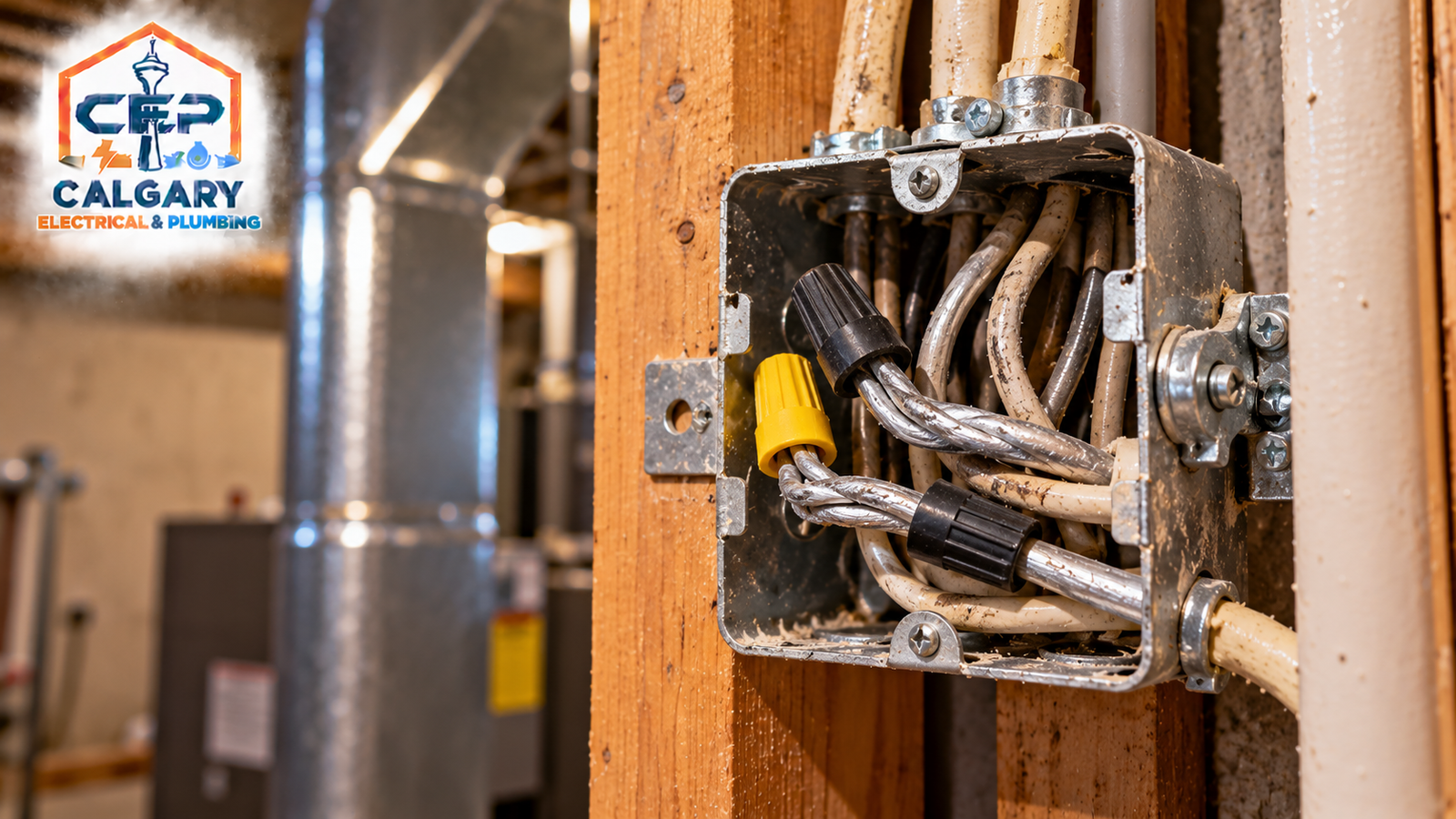
Where aluminum and copper conductors must be joined, the connection method must be specifically suitable for the conductor materials and application.
Ordinary connectors should not be assumed to be appropriate simply because the wires fit inside them.
Approved methods and products vary by jurisdiction, device listing and installation requirements. A qualified electrician should select and install the connection system.
Can Special Connectors Improve Safety?
Purpose-designed connectors and remediation systems may be appropriate for certain existing aluminum branch-circuit installations.
However, not every product marketed for aluminum wiring provides the same performance or is accepted for every application.
Homeowners should ask the electrician to explain the proposed method, its compatibility and the applicable approval requirements.
Why Replacing a Switch Alone May Not Solve the Problem
Installing a new switch or receptacle does not automatically correct an unsuitable connection.
The replacement device must be compatible with the conductors and installed using an appropriate termination method.
If the underlying connection arrangement remains defective, the new device may not resolve the safety concern.
When Is Full Rewiring Worth Considering?
Replacing older branch circuits may be considered when wiring is damaged, numerous connections require correction or extensive renovations provide practical access to concealed wiring.
Rewiring can also support broader improvements, such as adding circuits for modern electrical loads.
It is generally a larger project than localized connection remediation and should be planned according to actual findings.
What Happens During a Professional Wiring Upgrade?
The scope may include identifying affected circuits, safely isolating power, evaluating existing electrical boxes, replacing unsuitable devices and completing approved connections.
More extensive projects may involve installing new cables, updating circuit arrangements and arranging required inspections.
Afterward, the electrician should verify the completed work and explain any remaining limitations.
Do not attempt aluminum wiring repairs yourself: Incorrect conductor preparation, unsuitable connectors or improper termination methods can create dangerous electrical conditions. Do not splice aluminum and copper wires using ordinary connectors unless the complete method is specifically approved for that application and installed by qualified personnel.
Can a Home Have Both Aluminum and Copper Wiring?
Yes. Renovations, additions and circuit replacements can result in mixed conductor materials within one property.
Mixed materials are not automatically a defect, but every connection between different conductor types must be suitable for the application.
An electrician can help establish which circuits have been updated and which still require evaluation.
Is Rewiring Always the Best Long-Term Option?
Rewiring may offer advantages when a home needs extensive electrical modernization, but it is not automatically the only acceptable response to older aluminum wiring.
A sound recommendation considers safety, access, the condition of existing circuits, the homeowner’s renovation plans and applicable electrical requirements.
For many homeowners, understanding these trade-offs is more useful than assuming every aluminum conductor must be removed.
Calgary example: During a basement renovation in Douglasdale, an electrician discovers older aluminum branch-circuit wiring serving several rooms. Because walls are already open, the homeowner can compare the cost and scope of suitable remediation against replacing the affected circuits as part of the renovation.
What Documentation Should Homeowners Request?
Ask for a clear description of the inspected areas, identified conductor materials, observed deficiencies and recommended corrective work.
For completed upgrades, retain invoices, relevant permit records and any available inspection documentation.
These records can be useful for future renovations, property transactions and insurance discussions.
Repair takeaway: Aluminum wiring remediation is not a one-size-fits-all service. Suitable connections, targeted circuit upgrades and full rewiring are different options that should be evaluated according to the home’s actual electrical condition.
Additional company information is available through this Calgary Electrical and Plumbing business profile.
How Should Calgary Homeowners Inspect and Maintain Aluminum Wiring?
The most practical first step is to establish what wiring exists in the home and whether its connections have been assessed by a qualified electrician.
A professional evaluation provides a basis for deciding what needs attention now and what can be incorporated into future electrical improvements.
Schedule an Older-Home Electrical Assessment
Homeowners who suspect older aluminum branch-circuit wiring should arrange an inspection rather than relying on visual assumptions.
The electrician can assess accessible components, review relevant installation history and determine whether additional investigation is justified.
Some concealed conditions may not be fully visible without more extensive work, so the inspection’s scope should be explained clearly.
Tell the Electrician About Previous Renovations
Renovation records can help identify when circuits were installed or modified.
If a kitchen, basement or bathroom was updated, provide any available information about the electrical contractor and the work completed.
This can help the electrician identify circuits that may have been altered or extended.
Pay Attention to Changes in Electrical Performance
Do not ignore new buzzing, repeated flickering, intermittent power or unexplained warmth around electrical devices.
These symptoms may indicate faults unrelated to aluminum wiring, but they still require investigation.
Where a dangerous condition is suspected, avoid using the affected equipment until it has been assessed.
Plan Electrical Work Before Major Renovations
Renovations can provide an opportunity to inspect or replace wiring that would otherwise be difficult to access.
For example, a kitchen renovation in McKenzie Towne may involve new appliance circuits, additional receptacles or changes to existing wiring.
Addressing known electrical concerns during the planning stage can reduce avoidable disruption later.
Ask About Permits and Inspection Requirements
Electrical permit requirements depend on the nature and scope of the work.
Replacing wiring, adding circuits or undertaking substantial electrical alterations may involve different requirements from limited maintenance activities.
A qualified electrical contractor can explain the permits and inspections applicable to the proposed project in Calgary.
How Much Does Aluminum Wiring Remediation Cost?
Costs vary considerably because homes differ in size, circuit layout, accessibility and the extent of required corrective work.
A small number of accessible connections may involve a different scope from remediating many devices or replacing concealed branch circuits throughout a house.
Other considerations include the number of affected outlets and switches, required materials, permit costs and restoration of finished surfaces.
For these reasons, a professional estimate based on inspection findings is more useful than a universal per-outlet or whole-house price.
What Should an Electrical Estimate Include?
A useful estimate should identify the proposed work, the areas covered and the connection or replacement methods to be used.
It should also explain whether permits, inspections, wall access or finishing repairs are included.
If multiple remediation approaches are available, ask about their differences rather than comparing prices alone.
Can Aluminum Wiring Affect a Home Purchase?
Buyers considering an older Calgary property may want an electrical assessment when aluminum branch-circuit wiring is suspected or disclosed.
A general home inspection may identify possible concerns, but a qualified electrician can provide more specific information about conductor types and electrical connections.
That information can help buyers understand potential repair obligations and future renovation costs.
What About Homes in Southeast Calgary?
Electrical installations vary widely across Southeast Calgary. Older communities such as Lake Bonavista and Riverbend may contain original wiring alongside later renovations, while newer communities such as Mahogany, Auburn Bay, Cranston, Seton, Copperfield and New Brighton generally reflect different construction periods.
Neighbourhood alone cannot confirm wiring materials or electrical condition.
Any home with unexplained electrical symptoms, questionable modifications or incomplete renovation records may benefit from professional evaluation.
Calgary example: A homeowner in Lake Bonavista is preparing to sell a house built during the period associated with older aluminum branch-circuit wiring. An electrician’s written assessment helps clarify what wiring is present and whether any corrective work is recommended before the property is listed.
Simple Safety Habits for Homeowners
While wiring inspection and repair should be left to qualified professionals, homeowners can take practical steps to reduce avoidable electrical risks:
- Do not overload receptacles or extension cords.
- Stop using outlets or switches that show signs of overheating.
- Never remove grounding pins from appliance plugs.
- Avoid unauthorized electrical modifications.
- Keep records of previous electrical upgrades.
- Report recurring electrical symptoms rather than ignoring them.
- Arrange professional evaluation before extending older circuits.
- Use qualified electrical contractors for repairs and renovations.
Why Regular Electrical Awareness Matters
An older electrical installation can remain in use for many years, but its condition may change as devices age and household electrical demands evolve.
Understanding what wiring is present makes it easier to plan improvements and respond appropriately when problems arise.
The objective is not to create unnecessary alarm. It is to identify real risks and address them through suitable professional work.
Homeowner takeaway: If your Calgary home contains or may contain older aluminum branch-circuit wiring, obtain a professional assessment, document the findings and choose corrective work based on the actual installation rather than assumptions about the material.
For more information about the company’s services, watch this Calgary Electrical and Plumbing video.
Homeowners can also explore the supplied Tumblr dashboard to access their account and saved content.
Request an aluminum wiring inspection and electrical safety estimate in Calgary in just a few clicks.
Get My Free Estimate
Understand Your Wiring Before Making Electrical Upgrades
Aluminum wiring in a Calgary home is not automatically a reason for alarm. The important questions are whether the installation uses older solid-aluminum branch circuits, whether its connections are suitable and whether any defects require attention. A professional inspection can turn uncertainty into a practical plan.
Calgary Electrical and Plumbing assists homeowners with electrical services and also serves the community as a local calgary plumber. If you have concerns about older wiring or electrical connections, call (403) 421-1991 to discuss an assessment and appropriate next steps.
Frequently Asked Questions about Aluminum Wiring
Is aluminum wiring dangerous in older Calgary homes?
Aluminum wiring is not automatically dangerous, but certain older solid-aluminum branch circuits can have connection-related safety concerns. The condition of the wiring, compatibility of connected devices and quality of terminations matter. A qualified electrician can assess the installation and recommend suitable corrective work.
How can I tell whether my Calgary house has aluminum wiring?
A home’s construction date may provide a clue, but it cannot confirm the conductor material. Some cable markings identify aluminum, although much residential wiring is concealed. An electrician can inspect appropriate locations safely and determine whether older aluminum branch circuits are present.
Does aluminum wiring always need to be replaced?
No. The appropriate response depends on the conductor type, existing connections, observed defects and applicable electrical requirements. Some installations may be suitable for professionally designed remediation, while others may benefit from circuit replacement. An inspection is necessary before choosing an approach.
Can aluminum wiring affect home insurance in Calgary?
Some insurance providers ask whether a property contains older aluminum branch-circuit wiring and may request inspection or remediation documentation. Requirements differ among insurers and policies. Homeowners should confirm their insurer’s specific conditions before arranging electrical work solely for insurance purposes.
What should I do if an outlet connected to aluminum wiring feels hot?
Stop using the affected outlet and arrange urgent professional electrical attention. Do not remove the cover or attempt a repair. Heat may indicate a faulty connection or another electrical problem. If smoke, flames or immediate danger are present, evacuate and call 911.
Don’t wait for an electrical safety concern to get worse.
Call (403) 421-1991 Now
Local Help Available 24/7 in Calgary